
Tirzepatide (5mg Vial) Dosage Protocol
Contents
Quickstart Highlights
Tirzepatide is a 39–amino acid dual incretin receptor agonist that activates both GLP‑1 and GIP receptors, enhancing glucose‑dependent insulin secretion, suppressing glucagon, slowing gastric emptying, and reducing appetite[1][2]. Its ~5‑day half‑life allows convenient once‑weekly subcutaneous dosing[1]. Clinical trials demonstrate superior glycemic control and weight reduction compared to selective GLP‑1 agonists[3][4].
- Reconstitute: Add 2.0 mL bacteriostatic water → 2.5 mg/mL concentration.
- Typical weekly range: 2.5–15 mg once weekly (gradual 4‑week titration steps).
- Easy measuring: At 2.5 mg/mL, 1 unit = 0.01 mL = 25 mcg on a U‑100 insulin syringe.
- Storage: Lyophilized: freeze at −20 °C (−4 °F); after reconstitution, refrigerate at 2–8 °C (35.6–46.4 °F); use within 28 days.
Dosing & Reconstitution Guide
Standard / Gradual Approach (2 mL = 2.5 mg/mL)
| Phase | Weekly Dose (mg) | Units (per injection) (mL) |
|---|---|---|
| Weeks 1–4 | 2.5 mg | 100 units (1.0 mL) × 1 injection |
| Weeks 5–8 | 5 mg | 100 units (1.0 mL) × 2 injections |
| Weeks 9–12 | 7.5 mg | 100 units (1.0 mL) × 3 injections |
| Weeks 13–16 | 10 mg | 100 units (1.0 mL) × 4 injections |
Frequency: Inject once weekly subcutaneously on the same day each week[1][5]. For doses requiring multiple injections, administer consecutively at different sites. Dose increases occur every 4 weeks to minimize gastrointestinal side effects[1]. Higher doses (12.5–15 mg/week) may be used in subsequent phases if tolerated and clinically indicated.
Reconstitution Steps
- Draw 2.0 mL bacteriostatic water with a sterile syringe.
- Inject slowly down the vial wall; avoid foaming.
- Gently swirl/roll until dissolved (do not shake).
- Label with reconstitution date and refrigerate at 2–8 °C (35.6–46.4 °F), protected from light.
- Use within 28 days of reconstitution[6].
Important: This guide is for educational purposes only and is not medical advice. For research use only. Not for human consumption.
Supplies Needed
Plan based on an 8–16 week protocol with gradual titration (once‑weekly dosing).
- Peptide Vials (Tirzepatide, 5 mg each):
- 8 weeks (2.5→5 mg/wk): ~30 mg total ≈ 6 vials
- 12 weeks (2.5→7.5 mg/wk): ~60 mg total ≈ 12 vials
- 16 weeks (2.5→10 mg/wk): ~100 mg total ≈ 20 vials
- Insulin Syringes (U‑100, 1 mL):
- 8 weeks: 12 syringes (average ~1.5/week)
- 12 weeks: 24 syringes (average ~2/week)
- 16 weeks: 40 syringes (average ~2.5/week)
- Bacteriostatic Water (10 mL bottles): Use 2.0 mL per vial for reconstitution.
- 8 weeks (6 vials): 12 mL → 2 × 10 mL bottles
- 12 weeks (12 vials): 24 mL → 3 × 10 mL bottles
- 16 weeks (20 vials): 40 mL → 4 × 10 mL bottles
- Alcohol Swabs: One for the vial stopper + one for the injection site each administration day.
- Per week: 2 swabs (1 injection day)
- 8 weeks: 16 swabs → recommend 1 × 100‑count box
- 12 weeks: 24 swabs → recommend 1 × 100‑count box
- 16 weeks: 32 swabs → recommend 1 × 100‑count box
![insulin[1]](https://peptidedosing.ca/wp-content/uploads/2026/01/insulin1-178x178.webp "insulin[1]")
![Bacteriostatic-Water-Bottle[1]](https://peptidedosing.ca/wp-content/uploads/2026/01/Bacteriostatic-Water-Bottle1-178x178.webp "Bacteriostatic-Water-Bottle[1]")
![EasyTouch_Alcohol_Pads[1]](https://peptidedosing.ca/wp-content/uploads/2026/01/EasyTouch_Alcohol_Pads1-178x178.avif "EasyTouch_Alcohol_Pads[1]")
Protocol Overview
Concise summary of the once‑weekly regimen.
- Goal: Support glycemic control, weight management, and metabolic health through dual incretin receptor activation[2].
- Schedule: Weekly subcutaneous injection on the same day each week for 12–16+ weeks.
- Dose Range: 2.5–15 mg weekly with 4‑week titration intervals.
- Reconstitution: 2.0 mL per 5 mg vial (2.5 mg/mL) for manageable injection volumes.
- Storage: Lyophilized frozen; reconstituted refrigerated for up to 28 days.
Dosing Protocol
Suggested weekly titration approach.
- Start: 2.5 mg once weekly for 4 weeks (initiation dose)[1].
- Escalate: Increase by 2.5 mg every 4 weeks as tolerated.
- Maintenance: 5–15 mg weekly based on response and tolerability.
- Frequency: Once per week (subcutaneous), same day each week.
- Timing: Any time of day; with or without food; rotate injection sites.
Storage Instructions
Proper storage preserves peptide quality.
- Lyophilized: Store at −20 °C (−4 °F) in dry, dark conditions; minimize moisture exposure.
- Reconstituted: Refrigerate at 2–8 °C (35.6–46.4 °F); do not freeze reconstituted solution[6].
- Shelf life: Use reconstituted solution within 28 days[6].
- Allow vials to reach room temperature before opening to reduce condensation uptake.
Important Notes
Practical considerations for consistency and safety.
- Use new sterile insulin syringes; dispose in a sharps container[7].
- Rotate injection sites (abdomen, thighs, upper arms) to reduce local irritation[8].
- All doses through 10 mg/week fit in a single 1 mL syringe at this concentration.
- Inject slowly; wait a few seconds before withdrawing the needle.
- Document weekly dose, date, and injection site to maintain consistency.
- Gastrointestinal effects (nausea, diarrhea) are common initially; gradual titration helps minimize them[1].
How This Works
Tirzepatide is a novel dual agonist that simultaneously activates GLP‑1 (glucagon‑like peptide‑1) and GIP (glucose‑dependent insulinotropic polypeptide) receptors[1][2]. This dual mechanism enhances glucose‑dependent insulin secretion while suppressing glucagon release, slowing gastric emptying, and promoting satiety through central appetite regulation[2]. The added GIP activity appears to synergistically amplify metabolic effects beyond GLP‑1 alone, contributing to superior weight reduction observed in clinical trials[3][4]. Its ~5‑day half‑life enables convenient once‑weekly administration[1].
Potential Benefits & Side Effects
Observations from clinical trials and published literature.
- Glycemic control: Significant HbA1c reductions in type 2 diabetes trials[4][9].
- Weight reduction: Clinical trials report substantial body‑weight loss (up to ~11 kg more than GLP‑1 RA comparators over 26 weeks at higher doses)[3][4].
- Cardiovascular markers: Improvements in lipid profiles and blood pressure observed in some studies[9].
- Common side effects: Gastrointestinal (nausea, diarrhea, vomiting, constipation) — typically mild‑to‑moderate and dose‑dependent; gradual titration reduces incidence[1][5].
- Injection‑site reactions: Occasional mild redness or irritation at subcutaneous injection sites.
Lifestyle Factors
Complementary strategies for best outcomes.
- Pair with a balanced, calorie‑appropriate diet; reduced appetite may naturally decrease intake.
- Prioritize protein to preserve lean mass during weight loss.
- Combine resistance training and aerobic activity to support metabolic health.
- Stay hydrated, especially given potential gastrointestinal effects.
- Prioritize sleep and stress management to support adherence and recovery.
Injection Technique
General subcutaneous guidance from clinical best‑practice resources[8][10].
- Clean the vial stopper and skin with alcohol; allow to dry.
- Pinch a skinfold; insert the needle at 45–90° into subcutaneous tissue[8][10].
- Do not aspirate for subcutaneous injections; inject slowly and steadily[10].
- Rotate sites systematically (abdomen avoiding 2‑inch radius around navel, outer thighs, upper arms) to avoid lipohypertrophy[8].
- Dispose of needles and syringes in a sharps container immediately after use[7].
Recommended Source
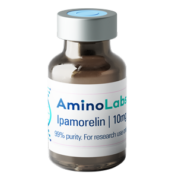
Why Amino Labs?
- Third-party tested: Each batch includes Certificate of Analysis (COA) verifying purity and composition.
- Consistent quality: ISO-aligned manufacturing and handling standards ensure reliable product integrity.
- Cold-chain integrity: Temperature-controlled shipping and storage throughout fulfillment process.
- Research-grade purity: Suitable for educational and research applications requiring high-quality peptides.
Note: Product availability and specifications subject to change. Verify current product details on supplier website.
Important Note
This content is intended for therapeutic educational purposes only and does not constitute medical advice, diagnosis, or treatment.
References
— Gallwitz B. GIP/GLP-1 receptor agonist tirzepatide for type 2 diabetes and obesity. Front Endocrinol. 2022;13:1004044.
— Frias JP, et al. Efficacy and safety of LY3298176 (tirzepatide), a novel dual GIP and GLP-1 receptor agonist, in patients with type 2 diabetes (Phase 2 trial). Lancet. 2018;392(10160):2180-2193.
— Jastreboff AM, et al. Tirzepatide once weekly for the treatment of obesity. N Engl J Med. 2022;387(3):205-216.
— Mounjaro (tirzepatide) injection Prescribing Information. Eli Lilly and Company; 2022.
— Does Compounded Tirzepatide Need To Be Refrigerated? Storage guidelines for reconstituted peptides.
— Preventing Unsafe Injection Practices. Guidelines for multi-dose vials and safe needle disposal.
— Subcutaneous (SQ) injections: Technique, site rotation, and best practices.
— Tirzepatide (Subcutaneous route) – Drugs and Supplements. Clinical overview and patient information.
— Subcutaneous injection technique: angle, site selection, and no aspiration guidance.
— Jordan MA, et al. Accurate measurement of small-volume parenterals with syringes. Hosp Pharm. 2021;56(3):165-171.
— Best practices for injection: asepsis, preparation, and administration techniques.
— Pharmacologic considerations of the subcutaneous route for drug delivery.