Quickstart Highlights
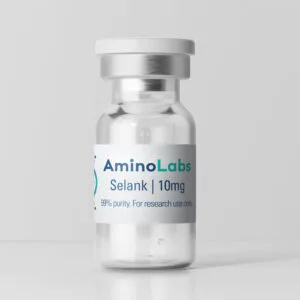
Selank is a synthetic heptapeptide analog of the immunomodulatory peptide tuftsin, developed in Russia and registered there as a prescription nasal drop for anxiety-related disorders. It is studied for anxiolytic, nootropic and stress-resilience effects, with human trial data limited to the intranasal route. This educational protocol presents the research-community subcutaneous convention: 250 mcg for days 1–3, 300 mcg from day 4 and a 500 mcg standard dose, given once daily in the morning or early afternoon for 2–4 weeks followed by an equal period off, using a 2.0 mL reconstitution (5 mg/mL) for whole-unit measurements on a U-100 insulin syringe.
- Reconstitute: Add 2 mL bacteriostatic water → 5 mg/mL concentration.
- Dose range: 250–500 mcg (0.25–0.5 mg) once daily, subcutaneously, morning or early afternoon (2–4 weeks on, then an equal period off).
- Easy measuring: At 5 mg/mL, 1 unit = 0.01 mL = 50 mcg on a U-100 insulin syringe.
- Storage: Lyophilized: freeze at −20 °C (−4 °F); after reconstitution, refrigerate at 2–8 °C (35.6–46.4 °F) and use within 28 days.
- Label: The registered Russian route is intranasal (0.15% drops, about 150 mcg per drop, 2 drops per nostril 3 times daily for a 14-day course); subcutaneous dosing is a community convention with no human trial data.
Dosing & Reconstitution Guide
Standard Protocol (subcutaneous) (2 mL = 5 mg/mL)
| Phase | Dose | Calculated volume | U-100 scale value (1 mL capacity) | V1 nominal setting (units) |
|---|---|---|---|---|
| Days 1–3 | 250 mcg (0.25 mg) | 0.05 mL | 5 units | 5 units |
| Days 4–7 (lower working dose) | 300 mcg (0.3 mg) | 0.06 mL | 6 units | 6 units |
| Week 2 onward (standard dose) | 500 mcg (0.5 mg) | 0.1 mL | 10 units | 10 units |
Calculation basis: The table uses the labelled 10 mg amount and assumes a final solution volume of 2 mL (5 mg/mL). BAC volume does not change the amount of peptide. These are nominal calculations, not validation of preparation, compatibility or treatment.
Frequency: Once daily, morning or early afternoon; avoid late-evening dosing. The labelled route in Russia is intranasal (about 600 mcg per administration, 3 times daily, 14-day course); the subcutaneous figures here are community conventions.
Cycle: 2–4 weeks on, then an equal period off.
Reconstitution Steps
- Allow the vial to reach room temperature before opening to minimize condensation.
- Draw 2 mL bacteriostatic water with a sterile syringe.
- Inject slowly down the vial wall to minimize foaming; avoid shaking.
- Gently swirl or roll the vial until the powder is fully dissolved.
- Label the vial with the reconstitution date and refrigerate at 2–8 °C (35.6–46.4 °F), protected from light.
- Use reconstituted solution within 28 days for maximum potency and safety.
Important: This guide is for educational purposes only and is not medical advice. For research use only. Not for human consumption.
Supplies Needed
Plan based on a 2–4 week once-daily course at the 500 mcg standard dose.
- Peptide Vials (Selank, 10 mg each):
- 2 weeks ≈ 1 vial (7 mg total used)
- 4 weeks ≈ 2 vials (14 mg total used)
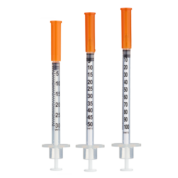
- Insulin Syringes (U-100):
- Per week: 7 syringes
- 2 weeks: 14 syringes
- 4 weeks: 28 syringes
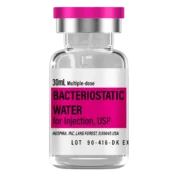
- Bacteriostatic Water (30 mL bottles): Use 2 mL per vial for reconstitution.
- 2 weeks (1 vial): 2 mL → 1 × 30 mL bottle
- 4 weeks (2 vials): 4 mL → 1 × 30 mL bottle
Note: Use bacteriostatic water within 28 days after opening; a vial reconstituted more than 28 days after the bottle was first opened needs a new bottle.
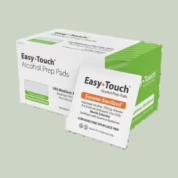
- Alcohol Swabs: One for the vial stopper + one for the injection site each injection.
- 2 weeks: 28 swabs
- 4 weeks: 56 swabs → recommend 1 × 100-count box
Protocol Overview
Concise summary of the once-daily subcutaneous regimen.
- Goal: Support anxiolysis, stress resilience and cognitive function through GABAergic modulation and enkephalin stabilization without sedation.
- Schedule: Daily subcutaneous injections (morning or early afternoon) for 2–4 weeks, followed by an equal period off.
- Dose Range: 250 mcg (0.25 mg) to 500 mcg (0.5 mg) once daily: 250 mcg for days 1–3, 300 mcg from day 4, and 500 mcg as the standard dose.
- Reconstitution: 2 mL per 10 mg vial (5 mg/mL) for accurate unit measurements on standard insulin syringes.
- Storage: Lyophilized frozen at −20 °C (−4 °F); reconstituted refrigerated at 2–8 °C (35.6–46.4 °F); use within 28 days; avoid repeated freeze–thaw cycles.
- Evidence: Human RCT evidence exists only for the intranasal route (Russian trials versus medazepam and phenazepam); the subcutaneous figures are a community convention with animal data only, so confidence is medium.
Dosing Protocol
Suggested daily approach based on the Russian intranasal label and trial data, and research-community conventions for the subcutaneous route.
- Days 1–3: 250 mcg (0.25 mg) once daily to establish tolerance.
- Days 4–7: 300 mcg (0.3 mg) once daily as the lower working dose.
- Week 2 onward (standard dose): 500 mcg (0.5 mg) once daily, the most common single figure across sources once tolerance is established.
- Frequency: Once per day (subcutaneous injection).
- Timing: Morning or early afternoon; Selank is mildly activating and late-evening dosing may disturb sleep.
- Cycle: 2–4 weeks on, then an equal period off; the Russian label uses 14-day courses that may be repeated after 1–3 weeks.
- Titration: The 250 mcg and 300 mcg steps are brief tolerance checks; the 500 mcg standard dose begins in week 2 and is the reference amount for the remainder of the course.
Storage Instructions
Proper storage preserves product quality and efficacy.
- Lyophilized (powder): Store at −20 °C (−4 °F) protected from light; 2–8 °C (35.6–46.4 °F) refrigeration is acceptable for short-term storage. Avoid humidity to prevent peptide degradation.
- Reconstituted (solution): Refrigerate at 2–8 °C (35.6–46.4 °F) and do not freeze. Use within 28 days; sources range from 2–3 weeks to 30 days, so 28 days is the practical outside limit.
- Allow vials to reach room temperature before opening to minimize condensation uptake.
- The opened Russian nasal product is labeled for only 15 days at room temperature, which suggests limited solution stability; keep reconstituted vials refrigerated and protected from light.
Important Notes
Practical considerations for consistency and safety.
- Use new sterile insulin syringes for each injection; dispose in a proper sharps container.
- Rotate injection sites systematically (abdomen, thighs, upper arms) to reduce local irritation and avoid lipohypertrophy.
- Route note: The registered Russian product is a 0.15% intranasal solution (1.5 mg/mL; about 150 mcg per drop; 2 drops per nostril, about 600 mcg per administration, 3 times daily for 14 days). No subcutaneous dosing appears on the label.
- Evidence caveat: The human trial data (Zozulia 2008, n=62; Medvedev 2014, n=60; Syunyakov 2012 in generalised anxiety disorder at 2,700 mcg/day) are all intranasal; several sources state plainly that no human subcutaneous pharmacokinetic or trial data exist and that the subcutaneous figures are anecdotal.
- Regulatory: Registered prescription nasal drops in Russia; not approved by Health Canada or the FDA. Sold as a research chemical in North America; research use only.
- Intranasal use of the reconstituted vial: At 5 mg/mL a typical 0.1 mL spray actuation delivers 500 mcg, which is above most intranasal reference amounts; sources describe diluting further and using a separate nasal spray bottle if the solution is used nasally.
- Dose in the morning or early afternoon and keep timing consistent; the label contraindicates use in pregnancy, lactation and under 18, and one source advises caution with bleeding disorders.
- Selank is often stacked with Semax by community convention; both are activating, so morning dosing applies to either.
How This Works
Selank is a synthetic heptapeptide (Thr-Lys-Pro-Arg-Pro-Gly-Pro) built on the structure of tuftsin, an endogenous immunomodulatory peptide. Its anxiolytic action is attributed to modulation of GABA-A receptor signaling and the expression of GABAergic genes, together with stabilization of endogenous enkephalins by inhibiting the enzymes that break them down. It also shifts serotonin and dopamine turnover, which is thought to underlie the reported effects on mood, attention and stress tolerance without the sedation, dependence or withdrawal associated with benzodiazepines. In animal studies Selank raises hippocampal BDNF and modulates cytokine expression (IL-6 and the Th1/Th2 balance), the basis of its immunomodulatory claims. The human evidence comes from Russian intranasal trials in anxiety disorders; the subcutaneous route has no human pharmacokinetic data, and the reported onset (15–60 minutes) and acute duration (4–8 hours) are intranasal observations.
Potential Benefits & Side Effects
Observations from Russian intranasal clinical trials and preclinical literature.
Potential Benefits:
- Anxiolytic effect comparable to benzodiazepines (medazepam, phenazepam) in Russian intranasal trials, without sedation, dependence or withdrawal.
- Nootropic and cognitive support (attention, memory) and improved stress resilience reported in clinical and community sources.
- Mood stabilization, with intranasal onset within 15–60 minutes and an effect that builds over days 5–7.
- Immunomodulatory effects consistent with its tuftsin-analog structure (preclinical and label data).
- Hippocampal BDNF upregulation in animal studies.
Potential Side Effects:
- Mild headache, most often early in a course.
- Injection-site redness with subcutaneous use; nasal irritation, stinging, dryness and an unpleasant taste from post-nasal drainage with intranasal use.
- Allergic reactions, including delayed hypersensitivity (listed on the Russian label).
- Mild drowsiness in some users or, conversely, activation and sleep disturbance when dosed late in the day.
- Contraindicated on the label in pregnancy, lactation and under 18; one source advises caution with bleeding disorders.
Lifestyle Factors
Complementary strategies for stress resilience and cognitive outcomes.
- Keep a consistent sleep schedule (7–9 hours) and dose early in the day so an activating peptide does not interfere with sleep onset.
- Pair the course with regular aerobic exercise, which independently supports anxiolysis and BDNF expression.
- Limit caffeine and other stimulants on dosing days so activation effects are easier to distinguish.
- Practice structured stress management (breathing exercises, mindfulness or cognitive techniques) so gains in stress tolerance carry over after the course ends.
- Keep a brief daily log of anxiety, focus and sleep quality to judge response across the 2–4 week course and the equal off-period.
Injection Technique
General subcutaneous injection guidance from clinical best-practice resources.
- Clean the vial stopper and chosen skin site with separate alcohol swabs; allow both to dry completely before proceeding.
- Pinch a fold of skin between your fingers; insert the needle at a 45–90° angle into the subcutaneous tissue (fatty layer, not muscle).
- Do not aspirate (pull back the plunger) when giving a subcutaneous injection.
- Inject the solution slowly and steadily; wait at least 6 seconds after injection before withdrawing the needle to ensure complete delivery and minimize leakage.
- Withdraw the needle and apply light pressure with a clean swab; avoid rubbing vigorously.
- Rotate injection sites systematically (abdomen, thighs, upper arms) to prevent lipohypertrophy and maintain consistent absorption.
- Dispose of used syringes and needles immediately in a proper sharps container.
Recommended Source
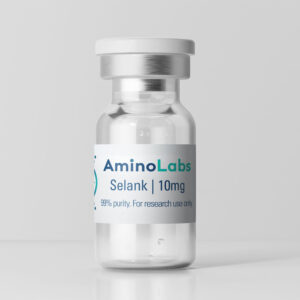
We recommend Amino Labs for high-purity Selank (10 mg vials).
Why Amino Labs?
- Third-party tested: Each batch includes Certificate of Analysis (COA) verifying purity and composition.
- Consistent quality: ISO-aligned manufacturing and handling standards ensure reliable product integrity.
- Cold-chain integrity: Temperature-controlled shipping and storage throughout fulfillment process.
- Research-grade purity: Suitable for educational and research applications requiring high-quality peptides.
Note: Product availability and specifications subject to change. Verify current product details on supplier website.
Important Note
This content is intended for therapeutic educational purposes only and does not constitute medical advice, diagnosis, or treatment.