Quickstart Highlights
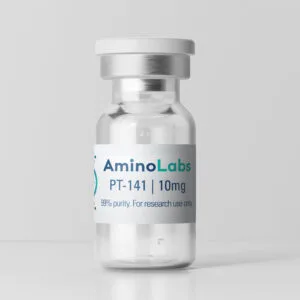
PT-141 (bremelanotide) is a cyclic heptapeptide analogue of alpha-MSH that activates melanocortin receptors, chiefly MC4R, in the hypothalamus. It is FDA-approved as Vyleesi, a 1.75 mg autoinjector for hypoactive sexual desire disorder in premenopausal women, and is used off-label in men; it acts centrally on sexual desire rather than on blood flow. This educational protocol presents on-demand subcutaneous dosing: a 0.5 mg trial dose, a 1 mg reduced dose when nausea limits use, the 1.75 mg FDA reference dose and a 2 mg off-label ceiling, given at least 45 minutes before activity, using a 2 mL reconstitution of the 10 mg vial (5 mg/mL).
- Reconstitute: Add 2 mL bacteriostatic water → 5 mg/mL concentration.
- Dose range: 500 mcg–2 mg per use, on demand, subcutaneously, at least 45 minutes before anticipated activity (reassess after 8 weeks).
- Easy measuring: At 5 mg/mL, 1 unit = 0.01 mL = 50 mcg on a U-100 insulin syringe.
- Storage: Lyophilized: freeze at −20 °C (−4 °F); after reconstitution, refrigerate at 2–8 °C (35.6–46.4 °F) and use within 28 days.
- Label: No more than 1 dose in any 24-hour period and no more than 8 doses per month; never dose daily (8 consecutive daily doses produced focal hyperpigmentation in 38% of trial participants).
Dosing & Reconstitution Guide
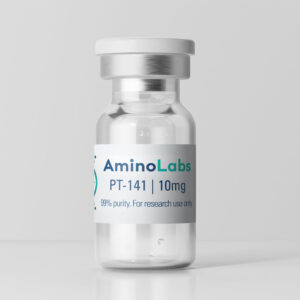
On-Demand Protocol (2 mL = 5 mg/mL)
| Use | Dose | Calculated volume | U-100 scale value (1 mL capacity) | V1 nominal setting (units) |
|---|---|---|---|---|
| Trial dose (first use) | 500 mcg (0.5 mg) | 0.1 mL | 10 units | 10 units |
| Reduced dose (if nausea) | 1 mg (1000 mcg) | 0.2 mL | 20 units | 20 units |
| FDA reference dose | 1.75 mg (1750 mcg) | 0.35 mL | 35 units | 35 units |
| Off-label ceiling | 2 mg (2000 mcg) | 0.4 mL | 40 units | 40 units |
Calculation basis: The table uses the labelled 10 mg amount and assumes a final solution volume of 2 mL (5 mg/mL). BAC volume does not change the amount of peptide. These are nominal calculations, not validation of preparation, compatibility or treatment.
Frequency: On demand only, at least 45 minutes before anticipated activity. Hard limits from the FDA label: no more than one dose in any 24-hour period and no more than 8 doses per month. Never dose daily.
Cycle: Reassess after 8 weeks; discontinue if no benefit.
Reconstitution Steps
- Allow the vial to reach room temperature before opening to minimize condensation.
- Draw 2 mL bacteriostatic water with a sterile syringe.
- Inject slowly down the vial wall to minimize foaming; avoid shaking.
- Gently swirl or roll the vial until the powder is fully dissolved.
- Label the vial with the reconstitution date and refrigerate at 2–8 °C (35.6–46.4 °F), protected from light.
- Use reconstituted solution within 28 days for maximum potency and safety.
Important: This guide is for educational purposes only and is not medical advice. For research use only. Not for human consumption.
Supplies Needed
Plan based on 4–8 weeks of on-demand use at 8 doses of 1.75 mg per 4 weeks (the label cap of 8 doses per month).
- Peptide Vials (PT-141, 10 mg each):
- 4 weeks ≈ 2 vials (14 mg total used)
- 8 weeks ≈ 3 vials (28 mg total used)
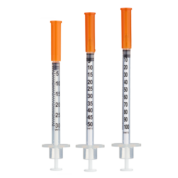
- Insulin Syringes (U-100):
- Per use: 1 syringe
- 4 weeks: 8 syringes
- 8 weeks: 16 syringes
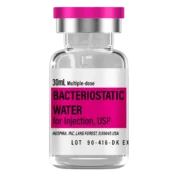
- Bacteriostatic Water (30 mL bottles): Use 2 mL per vial for reconstitution.
- 4 weeks (2 vials): 4 mL → 1 × 30 mL bottle
- 8 weeks (3 vials): 6 mL → 1 × 30 mL bottle
Note: Use bacteriostatic water within 28 days after opening; a vial reconstituted more than 28 days after the bottle was first opened needs a new bottle.
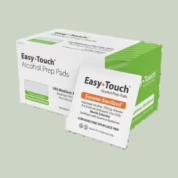
- Alcohol Swabs: One for the vial stopper + one for the injection site each injection.
- 4 weeks: 16 swabs → recommend 1 × 100-count box
- 8 weeks: 32 swabs → recommend 1 × 100-count box
Protocol Overview
Concise summary of the on-demand regimen.
- Goal: Increase sexual desire and arousal centrally through MC4R activation, on an as-needed basis rather than a daily schedule.
- Schedule: On-demand subcutaneous injection at least 45 minutes before anticipated activity; no more than one dose in 24 hours and no more than 8 doses per month; reassess after 8 weeks and discontinue if there is no benefit.
- Dose Range: 500 mcg (0.5 mg) trial dose to 2000 mcg (2 mg) off-label ceiling per use, with 1750 mcg (1.75 mg) as the FDA reference dose and 1000 mcg (1 mg) as the reduced dose when nausea limits use.
- Reconstitution: 2 mL per 10 mg vial (5 mg/mL) for accurate unit measurements on standard insulin syringes.
- Storage: Lyophilized frozen at −20 °C (−4 °F); reconstituted refrigerated at 2–8 °C (35.6–46.4 °F); use within 28 days; avoid repeated freeze–thaw cycles.
- Evidence: FDA label (Vyleesi, approved June 2019; Phase 3 RECONNECT trials, about 1,200 women) supports the 1.75 mg dose, the 45-minute timing and the frequency caps; the 0.5 mg trial dose and 2 mg male use are clinic and community conventions. Confidence is high for the label figures and medium for the 0.5–2 mg research range.
Dosing Protocol
On-demand approach based on the FDA label, with a tolerance-trial convention from clinic and research-community sources.
- Trial dose (first use): 500 mcg (0.5 mg) on a free evening to assess nausea and flushing before using a full dose.
- Reduced dose (if nausea): 1000 mcg (1 mg) per use for those who find 1.75 mg poorly tolerated; sources describe the lowest effective dose as the maintenance target.
- FDA reference dose: 1750 mcg (1.75 mg) per use, the approved Vyleesi dose, which is flat and not weight-based.
- Off-label ceiling: 2000 mcg (2 mg) per use is the highest amount any source describes, used off-label in men; one source states that doses above 1.75 mg do not reliably add benefit.
- Frequency: On demand only. No more than 1 dose in any 24-hour period and no more than 8 doses per month, per the FDA label; never dose daily.
- Timing: At least 45 minutes before anticipated activity; plasma levels peak at about 1 hour and effects persist for several hours.
- Cycle: No fixed course; reassess after 8 weeks and discontinue if there is no improvement, as the label directs.
Storage Instructions
Proper storage preserves product quality and efficacy.
- Lyophilized (powder): Store at −20 °C (−4 °F) protected from light; 2–8 °C (35.6–46.4 °F) refrigeration is acceptable for short-term storage. Avoid humidity to prevent peptide degradation.
- Reconstituted (solution): Refrigerate at 2–8 °C (35.6–46.4 °F) and do not freeze. Use within 28 days; sources range from a few weeks to 30 days, and an on-demand user may not finish a vial inside the window, so date the vial at reconstitution.
- Allow vials to reach room temperature before opening to minimize condensation uptake.
- Protect from light: The approved product label specifies light protection; keep the research vial in its carton or an opaque sleeve inside the refrigerator.
Important Notes
Practical considerations for consistency and safety.
- Use new sterile insulin syringes for each injection; dispose in a proper sharps container.
- Rotate injection sites systematically (abdomen, thighs, upper arms) to reduce local irritation and avoid lipohypertrophy.
- Label caps: Maximum 1 dose in any 24-hour period and 8 doses per month. Daily dosing is never presented: in trial data, 8 consecutive daily doses produced focal hyperpigmentation of the face, gums or breasts in 38% of participants, and the pigment effect is cumulative and may be irreversible.
- Blood pressure: Each dose produces a transient blood-pressure rise of about 6/3 mmHg with a fall in heart rate for up to 12 hours; the label contraindicates use in uncontrolled hypertension and known cardiovascular disease.
- Nausea: About 40% of trial participants experienced nausea, worst with the first dose and dose-related. The 0.5 mg trial dose, a lower per-use dose and, in clinic practice, an antiemetic are the mitigation approaches sources describe.
- Regulatory status: The FDA-approved product is Vyleesi, a 1.75 mg/0.3 mL autoinjector for hypoactive sexual desire disorder in premenopausal women; research vials are not the approved product. Not approved by Health Canada; research-use status in Canada.
- Evidence caveat: Label-level evidence covers the 1.75 mg dose, timing and caps; the trial-dose convention and male use rest on clinic practice and earlier Phase 2 work, not the approved label.
- PT-141 is a close structural analogue (the free-acid derivative) of Melanotan II and shares its melanocortin pharmacology and side-effect profile; sources do not describe combined use. Sources also note reduced absorption of oral naltrexone and advise against use in pregnancy or breastfeeding.
How This Works
Bremelanotide is a cyclic heptapeptide analogue of alpha-melanocyte-stimulating hormone that agonizes melanocortin receptors, chiefly MC4R and to a lesser extent MC3R, in the medial preoptic area of the hypothalamus. MC4R activation increases dopaminergic signaling in the brain pathways that govern sexual motivation, so desire rises centrally rather than through genital blood flow, which distinguishes it from PDE5 inhibitors. After subcutaneous injection, plasma levels peak at about 1 hour and the effect persists for several hours, which is why the label specifies dosing at least 45 minutes before activity. In the Phase 3 RECONNECT program, about 58% of women on 1.75 mg responded versus 36% on placebo, with roughly 0.5 additional satisfying sexual events per month. PT-141 is a close structural analogue (the free-acid derivative) of Melanotan II and shares its melanocortin side-effect profile of nausea, flushing and, with frequent dosing, skin pigmentation.
Potential Benefits & Side Effects
Observations from the FDA label, Phase 3 trials and early clinical work.
Potential Benefits:
- Increased sexual desire and arousal through a central mechanism in the Phase 3 RECONNECT trials (about 58% responders versus 36% on placebo).
- About 0.5 additional satisfying sexual events per month over placebo in the pivotal trials.
- Effects reported in men as well as women, including psychogenic erectile dysfunction in early Phase 2 trials; male use remains off-label.
- On-demand use with no daily dosing requirement, under the FDA label.
Potential Side Effects:
- Nausea in about 40% of users (dose-related, worst with the first dose), facial flushing in about 20%, headache and vomiting.
- Injection-site reactions, fatigue, hot flush and nasal congestion, all listed on the label.
- Transient blood-pressure rise (about +6/+3 mmHg) with a fall in heart rate for up to 12 hours; contraindicated in uncontrolled hypertension and known cardiovascular disease.
- Focal hyperpigmentation of the face, gums or breasts with frequent dosing, seen in 38% after 8 consecutive daily doses and potentially irreversible.
- Reduced absorption of oral naltrexone; not established in pregnancy or breastfeeding, in people under 18 or in postmenopausal women.
Lifestyle Factors
Complementary practices described in clinical and community sources.
- Use the first dose on a free evening with no planned activity so that nausea and flushing can be judged without pressure.
- Keep the 45-minute lead time; sources describe a practical window of 1–3 hours after injection and effects that last several hours.
- Eat lightly before a dose; nausea is the most common effect and is dose-related.
- Log the date of each dose to stay within the 8-per-month cap and to avoid two doses inside 24 hours.
- Monitor blood pressure if there is any history of hypertension, since each dose raises it transiently.
- Reassess after 8 weeks of use; the label directs discontinuation if there has been no improvement.
Injection Technique
General subcutaneous injection guidance from clinical best-practice resources.
- Clean the vial stopper and chosen skin site with separate alcohol swabs; allow both to dry completely before proceeding.
- Pinch a fold of skin between your fingers; insert the needle at a 45–90° angle into the subcutaneous tissue (fatty layer, not muscle).
- Do not aspirate (pull back the plunger) when giving a subcutaneous injection.
- Inject the solution slowly and steadily; wait at least 6 seconds after injection before withdrawing the needle to ensure complete delivery and minimize leakage.
- Withdraw the needle and apply light pressure with a clean swab; avoid rubbing vigorously.
- Rotate injection sites systematically (abdomen, thighs, upper arms) to prevent lipohypertrophy and maintain consistent absorption.
- Dispose of used syringes and needles immediately in a proper sharps container.
Recommended Source
We recommend Amino Labs for high-purity PT-141 (10 mg vials).
Why Amino Labs?
- Third-party tested: Each batch includes Certificate of Analysis (COA) verifying purity and composition.
- Consistent quality: ISO-aligned manufacturing and handling standards ensure reliable product integrity.
- Cold-chain integrity: Temperature-controlled shipping and storage throughout fulfillment process.
- Research-grade purity: Suitable for educational and research applications requiring high-quality peptides.
Note: Product availability and specifications subject to change. Verify current product details on supplier website.
Important Note
This content is intended for therapeutic educational purposes only and does not constitute medical advice, diagnosis, or treatment.