Quickstart Highlights
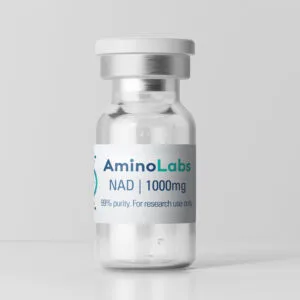
NAD+ (nicotinamide adenine dinucleotide) is the central redox coenzyme of cellular energy metabolism and the substrate for sirtuin and PARP DNA-repair enzymes; it is a dinucleotide rather than a peptide, listed in peptide catalogs by convention. It is studied for cellular energy, fatigue, cognitive clarity and healthy aging, with human data drawn mostly from IV pilot studies and oral-precursor trials. This educational protocol presents the subcutaneous practitioner convention: 25–50 mg per injection for two ramp weeks, then up to 100 mg two to three times per week (100 mg is the per-injection ceiling; stay under roughly 300 mg per week in total), using a 5 mL reconstitution of the 1000 mg vial (200 mg/mL).
- Reconstitute: Add 5 mL bacteriostatic water → 200 mg/mL concentration.
- Dose range: 25–100 mg per injection, 2–3 times per week, subcutaneously (8–12 week course), titrating from 25–50 mg to 100 mg only if flushing and nausea are tolerable; stay under roughly 300 mg per week in total.
- Easy measuring: At 200 mg/mL, 1 unit = 0.01 mL = 2 mg on a U-100 insulin syringe.
- Storage: Lyophilized: freeze at −20 °C (−4 °F); after reconstitution, refrigerate at 2–8 °C (35.6–46.4 °F) and use within 28 days.
- Label: No approved injectable label exists. 100 mg (0.5 mL at 200 mg/mL) is the per-injection ceiling on this page, so keep each injection to 0.5 mL or less, and a reconstituted solution that stays cloudy should be discarded.
Dosing & Reconstitution Guide
Standard Protocol (5 mL = 200 mg/mL)
| Week | Dose | Calculated volume | U-100 scale value (1 mL capacity) | V1 nominal setting (units) |
|---|---|---|---|---|
| Weeks 1–2 (ramp, low start) | 25 mg | 0.125 mL | 12.5 units (requires matching fractional-unit markings) | Not representable in whole units |
| Weeks 1–2 (ramp) | 50 mg | 0.25 mL | 25 units | 25 units |
| Week 3 onward (ceiling) | 100 mg | 0.5 mL | 50 units | 50 units |
Calculation basis: The table uses the labelled 1000 mg amount and assumes a final solution volume of 5 mL (200 mg/mL). BAC volume does not change the amount of compound. These are nominal calculations, not validation of preparation, compatibility or treatment.
Frequency: 2–3 times per week, in the morning. Step from 25–50 mg to 100 mg only if flushing and nausea are tolerable; back off on persistent nausea, flushing or insomnia. 100 mg is the per-injection ceiling; stay under roughly 300 mg per week in total.
Cycle: 8–12 week courses; no strict off-period in sources.
Reconstitution Steps
- Allow the vial to reach room temperature before opening to minimize condensation.
- Draw 5 mL bacteriostatic water with a sterile syringe.
- Inject slowly down the vial wall to minimize foaming; avoid shaking.
- Gently swirl or roll the vial until the powder is fully dissolved. NAD+ dissolves slowly at this concentration; allow several minutes and do not use if the solution stays cloudy.
- Label the vial with the reconstitution date and refrigerate at 2–8 °C (35.6–46.4 °F), protected from light.
- Use reconstituted solution within 28 days for maximum potency and safety.
Important: This guide is for educational purposes only and is not medical advice. For research use only. Not for human consumption.
Supplies Needed
Plan based on an 8–12 week protocol at the 100 mg standard dose, 2–3 times per week.
- Vials (NAD+, 1000 mg each):
- 8 weeks ≈ 3 vials (2,100 mg total used: 6 × 50 mg + 18 × 100 mg)
- 12 weeks ≈ 4 vials (3,300 mg total used)
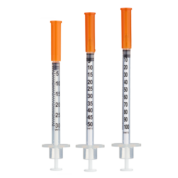
- Insulin Syringes (U-100):
- Per week: 2–3 syringes (counts below assume 3 per week)
- 8 weeks: 24 syringes
- 12 weeks: 36 syringes
- Mixing syringe: one 5 mL syringe with needle per vial for the 5 mL reconstitution (3 for 8 weeks, 4 for 12 weeks); a 1 mL insulin syringe cannot draw 5 mL in one pass.
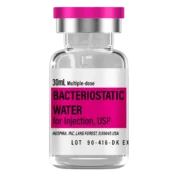
- Bacteriostatic Water (30 mL bottles): Use 5 mL per vial for reconstitution.
- 8 weeks (3 vials): 15 mL → 2 × 30 mL bottles
- 12 weeks (4 vials): 20 mL → 3 × 30 mL bottles
Note: Use bacteriostatic water within 28 days after opening; a vial reconstituted more than 28 days after the bottle was first opened needs a new bottle.
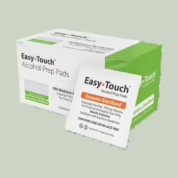
- Alcohol Swabs: One for the vial stopper + one for the injection site each injection.
- 8 weeks: 48 swabs → recommend 1 × 100-count box
- 12 weeks: 72 swabs → recommend 1 × 100-count box
Protocol Overview
Concise summary of the two-to-three-times-weekly regimen.
- Goal: Raise cellular NAD+ availability to support mitochondrial energy production, sirtuin activity and DNA repair, bypassing gut degradation of the intact molecule.
- Schedule: Subcutaneous injections 2–3 times per week, in the morning, for 8–12 week courses; sources describe no strict off-period.
- Dose Range: 25–50 mg per injection in the two-week ramp, then 100 mg per injection from week 3 onward as the per-injection ceiling, 2–3 times per week; stay under roughly 300 mg per week in total (doses on this page are stated in mg; at 200 mg/mL, 1 unit = 2 mg, so mcg figures are not used).
- Reconstitution: 5 mL per 1000 mg vial (200 mg/mL) for accurate unit measurements on standard insulin syringes.
- Storage: Lyophilized frozen at −20 °C (−4 °F); reconstituted refrigerated at 2–8 °C (35.6–46.4 °F); use within 28 days; avoid repeated freeze–thaw cycles.
- Evidence: Human data are IV pilot studies and clinic practice plus randomized trials of oral precursors (NR, NMN); subcutaneous dosing is practitioner convention with no randomized trial. Confidence is medium: 50–100 mg 2–3 times per week is consistent across six of seven dosing sources, but none is evidence-based.
Dosing Protocol
Suggested two-to-three-times-weekly approach based on practitioner convention and IV pilot data; no controlled trial of subcutaneous NAD+ exists.
- Weeks 1–2 (ramp): 25–50 mg per injection (12.5–25 units, 0.125–0.25 mL), 2–3 times per week, to gauge flushing, nausea and injection-site stinging; 25 mg needs half-unit markings, so many start at 50 mg.
- Week 3 onward: 100 mg per injection (50 units, 0.5 mL), 2–3 times per week, the modal standard dose across sources and the per-injection ceiling on this page; step up only if the ramp dose was tolerable.
- Ceiling: 100 mg per injection is the maximum presented; stay under roughly 300 mg per week in total (for example 100 mg three times per week).
- Frequency: 2–3 times per week (subcutaneous); some sources use every other day.
- Timing: Morning; most sources report an energizing or wired effect that disturbs sleep when injected late in the day.
- Titration: Hold at 25–50 mg until flushing and nausea are tolerable, then move to 100 mg; back off a step for persistent nausea, flushing or insomnia.
- Cycle: 8–12 week courses; sources describe no strict off-period between courses.
Storage Instructions
Proper storage preserves product quality and efficacy.
- Lyophilized (powder): Store at −20 °C (−4 °F) protected from light and moisture; the powder is hygroscopic, so keep the vial sealed and dry. 2–8 °C (35.6–46.4 °F) refrigeration is acceptable for short-term storage.
- Reconstituted (solution): Refrigerate at 2–8 °C (35.6–46.4 °F) and do not freeze. Use within 28 days; sources range from 14 to 28 days, and compounding-pharmacy practice applies 28 days after first puncture.
- Allow vials to reach room temperature before opening to minimize condensation uptake.
- Dissolution and cloudiness: NAD+ dissolves slowly at 200 mg/mL; swirl, do not shake, and allow several minutes. A solution that stays cloudy or shows particles should be discarded.
Important Notes
Practical considerations for consistency and safety.
- Use new sterile insulin syringes for each injection; dispose in a proper sharps container.
- Rotate injection sites systematically (abdomen, thighs, upper arms) to reduce local irritation and avoid lipohypertrophy; NAD+ solution is acidic, so rotation matters more than with most peptides.
- Keep each injection at 100 mg or less: 100 mg (0.5 mL at 200 mg/mL) is the per-injection ceiling on this page; smaller volumes per site and slow injection limit stinging and local irritation.
- Stinging: A burning or stinging sensation for seconds to about 15 minutes is common because the solution is acidic; it is not a sign of contamination. Smaller volumes per site and slow injection reduce it.
- Route: The page presents subcutaneous injection, which sources report is better tolerated than intramuscular; IM is used by some clinics, and IV infusion is the route in the clinical literature. The dose table applies to the subcutaneous route.
- Regulatory status: Not an approved injectable drug in Canada or the US; available through compounding pharmacies in the US and research-use suppliers. Not approved by Health Canada or the FDA; research use only.
- Evidence caveat: No randomized trial of subcutaneous NAD+ exists; the human evidence most often cited is for oral precursors (for example, NR 1000 mg/day raised whole-blood NAD+ by about 60%) and does not transfer directly to injection.
- Not a peptide: NAD+ is a dinucleotide coenzyme; the 1000 mg vial is far larger than typical peptide vials, and the 5 mL reconstitution produces 200 mg/mL, so 1 unit on a U-100 syringe equals 2 mg.
How This Works
NAD+ is the central redox coenzyme for glycolysis, the TCA cycle and oxidative phosphorylation, cycling between NAD+ and NADH as it carries the electrons that drive ATP synthesis. It is also the obligatory substrate for the sirtuins (SIRT1–7), for PARP DNA-repair enzymes and for CD38 signaling, so cellular NAD+ availability sets the activity of pathways tied to metabolic regulation, genome maintenance and stress responses. Tissue NAD+ declines with age, and supplying the molecule directly is proposed to restore sirtuin and DNA-repair activity; injectable administration bypasses the gut degradation that limits the intact molecule when taken orally. Human evidence is thin: IV NAD+ has been studied in small pilot and clinic settings, while the only controlled human data are randomized trials of oral precursors such as NR and NMN, which raise blood NAD+ but do not establish an injectable dose. Subcutaneous dosing therefore rests on practitioner convention.
Potential Benefits & Side Effects
Observations from clinic practice, IV pilot work and oral-precursor trials; all investigational for the injectable route.
Potential Benefits:
- Support for cellular energy and mitochondrial function, with reduced fatigue reported in clinic practice and community accounts.
- Sirtuin- and PARP-mediated DNA-repair support, based on biochemical mechanism and animal data.
- Cognitive clarity and neuroprotection, investigational and drawn mainly from IV protocols.
- Healthy aging and metabolic support, investigational; oral-precursor RCTs show whole-blood NAD+ can be raised by about 60%.
- Exercise performance and recovery, a community claim without controlled data.
Potential Side Effects:
- Injection-site stinging or burning for seconds to about 15 minutes because the solution is acidic; redness and tenderness.
- Flushing, nausea, headache, dizziness and chest pressure, which are dose- and rate-dependent and reported mainly with IV infusion; systemic flushing is less common subcutaneously.
- Fatigue or lightheadedness after a dose.
- Insomnia or feeling wired when injected late in the day.
- No long-term human outcome data; the injectable is not licensed by the FDA, Health Canada or the MHRA.
Lifestyle Factors
Complementary strategies for energy and metabolic goals.
- Inject in the morning and keep a consistent sleep schedule; late-day dosing is the most common cause of insomnia in sources.
- Combine with regular aerobic and resistance exercise, the lifestyle inputs most tied to mitochondrial health.
- Prioritize 7–9 hours of sleep and manage stress; energy and clarity outcomes are hard to judge against poor sleep.
- Stay well hydrated on injection days.
- Some sources bridge with oral precursors (NR or NMN) between 8–12 week injectable courses.
- Track energy, sleep and injection-site tolerance in a simple log so that the step from 25–50 mg to 100 mg is made on evidence rather than habit.
Injection Technique
General subcutaneous injection guidance from clinical best-practice resources.
- Clean the vial stopper and chosen skin site with separate alcohol swabs; allow both to dry completely before proceeding.
- Pinch a fold of skin between your fingers; insert the needle at a 45–90° angle into the subcutaneous tissue (fatty layer, not muscle). IM alternative: some clinics give NAD+ intramuscularly into the deltoid or upper outer gluteal muscle with a longer needle at 90°; sources report the subcutaneous route is better tolerated, so this page presents it as the primary route and the dose table is unchanged.
- Do not aspirate (pull back the plunger) when giving a subcutaneous injection.
- Inject the solution slowly and steadily; NAD+ is acidic and a brief sting lasting seconds to a few minutes is common and not a sign of contamination. Wait at least 6 seconds after injection before withdrawing the needle to ensure complete delivery and minimize leakage.
- Volume per site: keep each injection to 0.5 mL (100 mg) or less at 200 mg/mL; 100 mg is the per-injection ceiling on this page.
- Withdraw the needle and apply light pressure with a clean swab; avoid rubbing vigorously. Rotate injection sites systematically (abdomen, thighs, upper arms) to prevent lipohypertrophy and maintain consistent absorption.
- Dispose of used syringes and needles immediately in a proper sharps container.
Recommended Source
We recommend Amino Labs for high-purity NAD+ (1000 mg vials).
Why Amino Labs?
- Third-party tested: Each batch includes Certificate of Analysis (COA) verifying purity and composition.
- Consistent quality: ISO-aligned manufacturing and handling standards ensure reliable product integrity.
- Cold-chain integrity: Temperature-controlled shipping and storage throughout fulfillment process.
- Research-grade purity: Suitable for educational and research applications requiring high-quality research compounds.
Note: Product availability and specifications subject to change. Verify current product details on supplier website.
Important Note
This content is intended for therapeutic educational purposes only and does not constitute medical advice, diagnosis, or treatment.