Quickstart Highlights
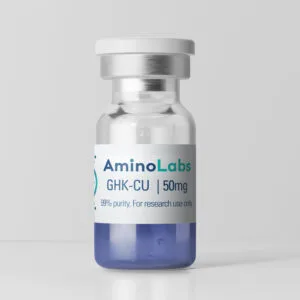
GHK-Cu (glycyl-L-histidyl-L-lysine:copper complex) is a naturally occurring copper peptide with documented roles in wound healing, tissue remodeling, and skin regeneration. Research demonstrates activity in gene regulation related to collagen synthesis, antioxidant defense, and anti-inflammatory pathways. This educational protocol presents practical subcutaneous administration approaches based on clinical practice patterns.
- Reconstitute: Add 3.0 mL bacteriostatic water (BAC) → 16.67 mg/mL concentration.
- Typical range: 1.0–2.0 mg per injection (most common protocols use 5 days/week or 3×/week).
- Easy measuring: At 16.67 mg/mL, 1 unit = 0.01 mL ≈ 167 mcg on a U‑100 insulin syringe.
- Storage: Lyophilized: store at −20 °C (−4 °F) or below; reconstituted: refrigerate at 2–8 °C (35.6–46.4 °F) and use within 30 days.
Dosing & Reconstitution Guide
Standard / Conservative Approach (3 mL = 16.67 mg/mL; 5 days/week)
| Week/Phase | Dose per Injection | Units (per injection) (mL) | V1 nominal setting (units) |
|---|---|---|---|
| Weeks 1–2 | 1.0 mg (1000 mcg) | 6 units (0.06 mL) | 6 units |
| Weeks 3–4 | 1.5 mg (1500 mcg) | 9 units (0.09 mL) | 9 units |
| Weeks 5–8 | 2.0 mg (2000 mcg) | 12 units (0.12 mL) | 12 units |
Frequency: Inject once daily, 5 days per week subcutaneously (or 2 mg three times weekly) for 4–8 weeks, then take 2–4 weeks off; the copper load is the reason for the break. For ≤10‑unit (≤0.10 mL) administrations, consider 30‑ or 50‑unit insulin syringes for improved readability.
Reconstitution Steps
- Draw 3.0 mL bacteriostatic water (BAC) with a sterile syringe.
- Inject slowly down the vial wall to minimize foaming.
- Gently swirl or roll the vial until the peptide fully dissolves (do not shake vigorously).
- Label with reconstitution date and refrigerate at 2–8 °C (35.6–46.4 °F), protected from light.
Alternative Protocol (3 mL = 16.67 mg/mL; 3× weekly)
| Week/Phase | Dose per Injection | Units (per injection) (mL) | V1 nominal setting (units) |
|---|---|---|---|
| Weeks 1–12+ | 2.0 mg (2000 mcg) | 12 units (0.12 mL) | 12 units |
Frequency: Inject 2 mg three times per week (e.g., Monday/Wednesday/Friday). This protocol maintains consistent weekly dosing (~6 mg/week) with less frequent injections.
Important: This guide is for educational purposes only and is not medical advice. For research use only. Not for human consumption.
Supplies Needed
Plan based on a 4–8 week cycle. Calculations shown for the 5 days/week schedule; the 3×/week alternative uses fewer syringes and about the same peptide.
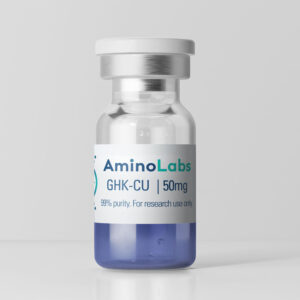
- Peptide Vials (GHK-Cu, 50 mg each):
- 4 weeks (~25 mg): 1 vial
- 8 weeks (~60 mg): 2 vials
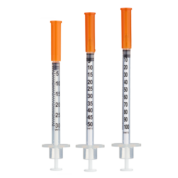
- Insulin Syringes (U-100):
- Per week: 5 syringes (3 on the 3×/week schedule)
- 4 weeks: 20 syringes
- 8 weeks: 40 syringes
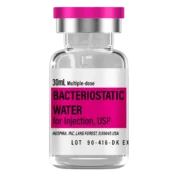
- Bacteriostatic Water (30 mL bottles): Use 3.0 mL per vial → 1 × 30 mL bottle.
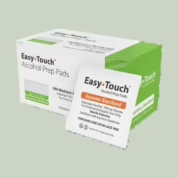
- Alcohol Swabs: One for the vial stopper + one for the injection site each injection.
- Per week: 10 swabs
- 4 weeks: 40 swabs
- 8 weeks: 80 swabs → 1 × 100-count box
Protocol Overview
Concise summary of common GHK-Cu administration patterns.
- Goal: Support tissue remodeling, wound healing, and skin regeneration through documented biological pathways.
- Schedule: Subcutaneous injections 5 days on / 2 days off (or 3× weekly) for 4–8 weeks, followed by 2–4 weeks off.
- Dose Range: 1.0–2.0 mg per injection; frequency 3–5 days per week.
- Reconstitution: 3.0 mL per 50 mg vial (16.67 mg/mL) provides practical unit measurements.
- Storage: Lyophilized frozen; reconstituted refrigerated and used within 30 days.
Dosing Protocol
Flexible approaches based on clinical practice patterns.
- Conservative (5 days/week): Start 1.0 mg daily; titrate to 1.5 mg at Week 3 and 2.0 mg at Week 5.
- Alternative (3×/week): Consistent 2.0 mg per injection for simplified scheduling.
- Route: Subcutaneous injection (abdomen, thighs, or upper arms).
- Cycle Length: 4–8 weeks on, then 2–4 weeks off before repeating. No extension beyond 8 weeks; the copper load is the limiting factor.
- Timing: Any consistent time of day; rotate injection sites systematically.
Storage Instructions
Proper storage maintains peptide stability and potency.
- Lyophilized (dry powder): Store at −20 °C (−4 °F) or lower in dry, dark conditions. Keep vial tightly sealed with desiccant if possible to minimize moisture exposure.
- Reconstituted (in solution): Refrigerate at 2–8 °C (35.6–46.4 °F) and use within 30 days for optimal potency. Bacteriostatic water helps inhibit bacterial growth.
- Aliquoting: For longer storage, divide solution into sterile vials and freeze at −20 °C (−4 °F). Avoid repeated freeze–thaw cycles as they degrade peptides over time.
- Allow vials to reach room temperature before opening to reduce condensation.
Important Notes
Practical considerations for safe and consistent administration.
- Use new sterile insulin syringes for each injection; dispose in proper sharps containers.
- Rotate injection sites (abdomen at least 1 inch from navel, outer thighs, upper arms) to prevent irritation and lipodystrophy.
- Clean injection site with alcohol swab and allow to air-dry completely before injecting.
- Inject slowly and steadily; withdraw needle at same angle as insertion.
- Document dose, date, and injection site to maintain consistency and track rotation.
How This Works
GHK-Cu is a naturally occurring tripeptide that complexes with copper ions to modulate numerous biological processes. Research has demonstrated its involvement in wound healing through enhanced collagen and decorin gene expression, activation of tissue remodeling pathways, and regulation of genes associated with antioxidant defense and anti-inflammatory responses. Preclinical studies show GHK-Cu is active at very low doses in animals (approximately 0.5 mcg/kg in rodent models), while clinical practice employs milligram-range dosing in humans to achieve systemic effects. The peptide demonstrates multifunctional activity across skin, nervous system, and vascular tissue, with documented gene-regulatory effects that extend beyond simple wound healing.
Potential Benefits & Side Effects
Documented effects from research literature and clinical observations.
- Supports wound healing and tissue repair through collagen synthesis and remodeling pathways.
- Demonstrates positive regulatory effects on genes related to antioxidant enzymes, growth factors, and anti-inflammatory signaling.
- Shows activity in nervous system function and cognitive pathways in preclinical models.
- Generally well tolerated; most common side effects are mild injection-site reactions (temporary redness, itching) with subcutaneous administration.
- No official human dosing guidelines exist as GHK-Cu is not FDA-approved; protocols are based on clinical practice and empirical use.
Lifestyle Factors
Complementary approaches to support tissue health and regeneration.
- Maintain adequate protein intake to support collagen synthesis and tissue repair processes.
- Ensure sufficient hydration and micronutrient status (particularly copper, zinc, vitamin C) for optimal connective tissue metabolism.
- Prioritize sleep quality and stress management to support regenerative biological processes.
- Consider combining with appropriate skincare or wound-care protocols as relevant to individual goals.
Injection Technique
Standard subcutaneous injection guidance from clinical best practices.
- Clean the vial stopper and injection site with alcohol swabs; allow both to air-dry completely.
- Pinch a fold of skin and insert the needle at 45–90° angle into subcutaneous tissue.
- Do not aspirate for subcutaneous injections; inject slowly and steadily.
- Withdraw the needle at the same angle as insertion; if needed, gently press site with cotton swab (do not rub).
- Rotate injection sites systematically to prevent lipohypertrophy and local irritation.
- Dispose of used syringes immediately in a proper sharps container.
Recommended Source
Product reference: GHK-Cu — 50 mg per vial.
Why Amino Labs?
- Third-party tested: Each batch includes Certificate of Analysis (COA) verifying purity and composition.
- Consistent quality: ISO-aligned manufacturing and handling standards ensure reliable product integrity.
- Cold-chain integrity: Temperature-controlled shipping and storage throughout fulfillment process.
- Research-grade purity: Suitable for educational and research applications requiring high-quality peptides.
Note: Product availability and specifications subject to change. Verify current product details on supplier website.
Important Note
This content is intended for therapeutic educational purposes only and does not constitute medical advice, diagnosis, or treatment.