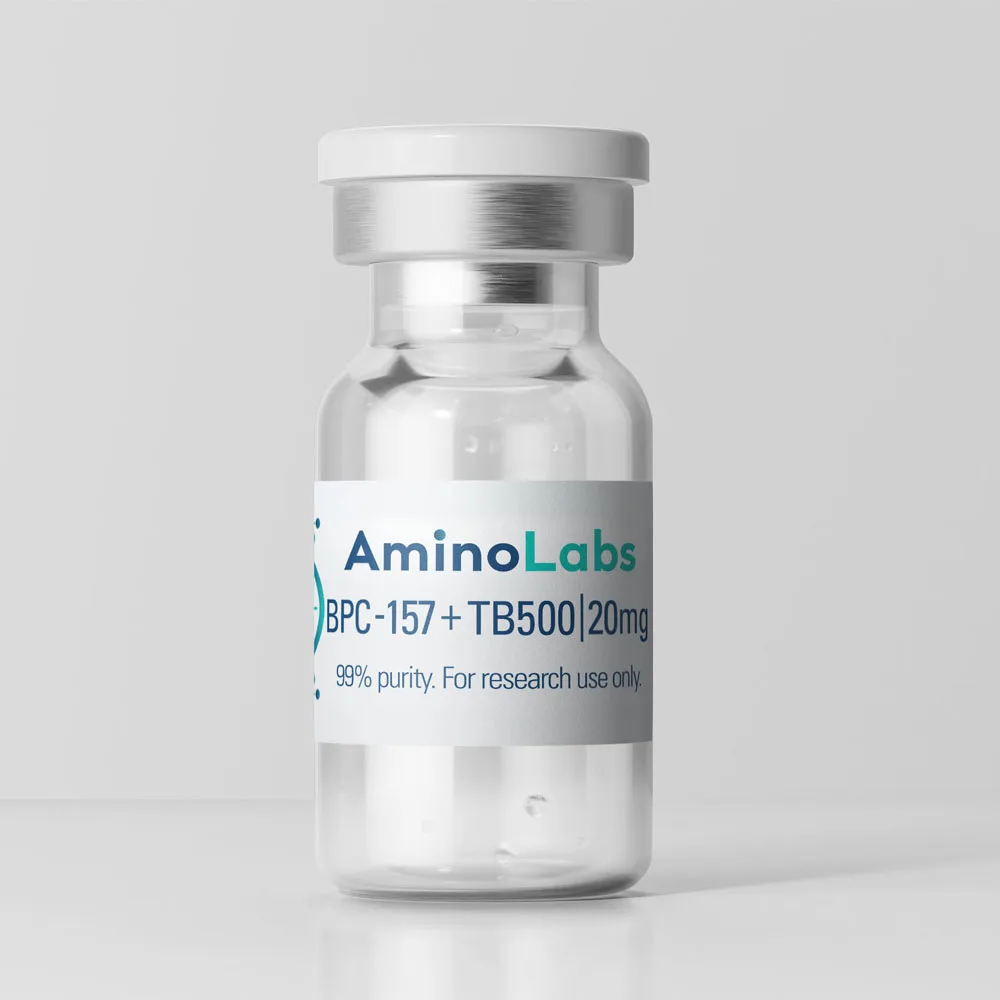
BPC-157 10 mg + TB-500 10 mg: laboratory report
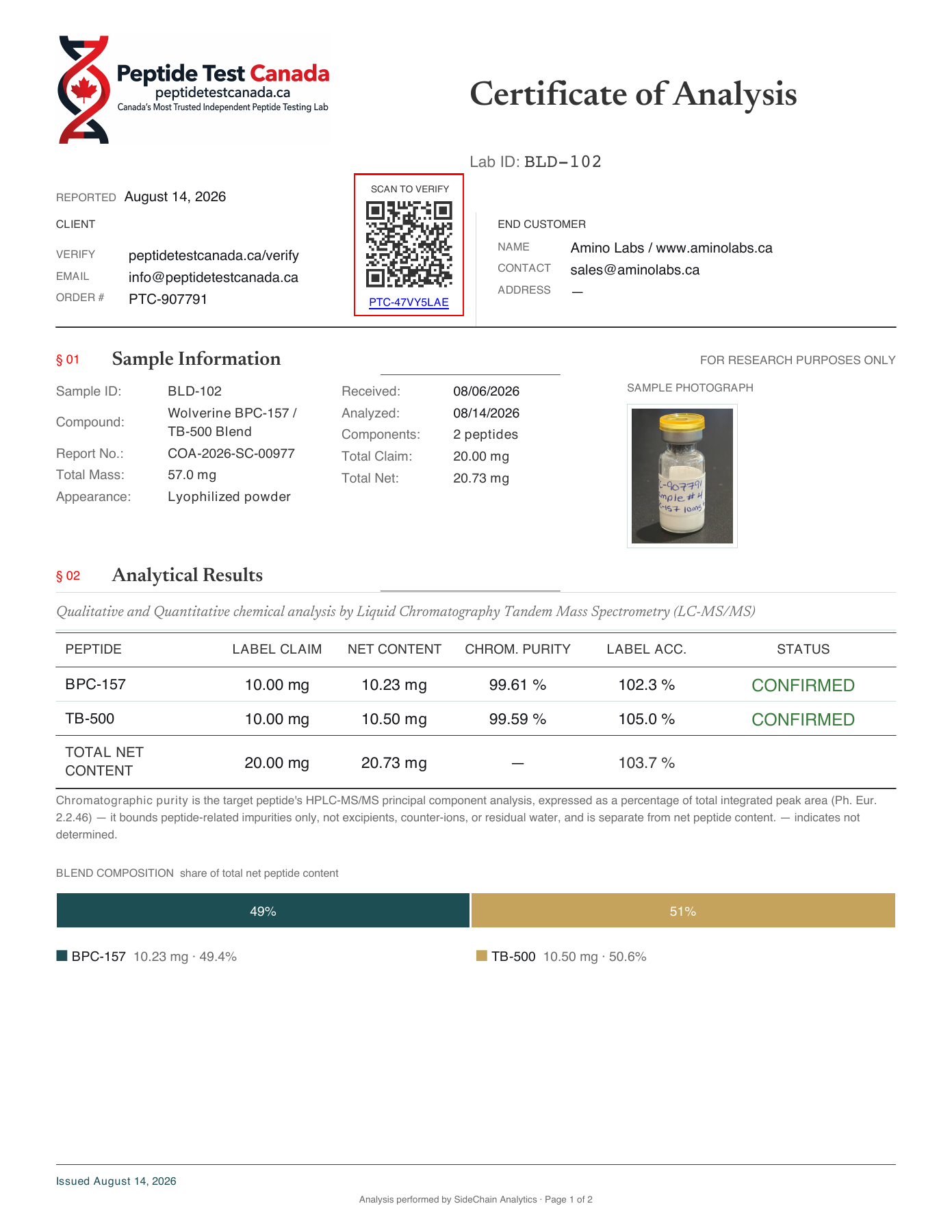
20.73 mg total net content: BPC-157 10.23 mg (99.61% purity) and TB-500 10.50 mg (99.59% purity).
Submitted sample BLD-102 · Report COA-2026-SC-00977 · PDF date August 14, 2026. These results apply to this submitted sample; match your product’s batch documentation before applying them to another vial.
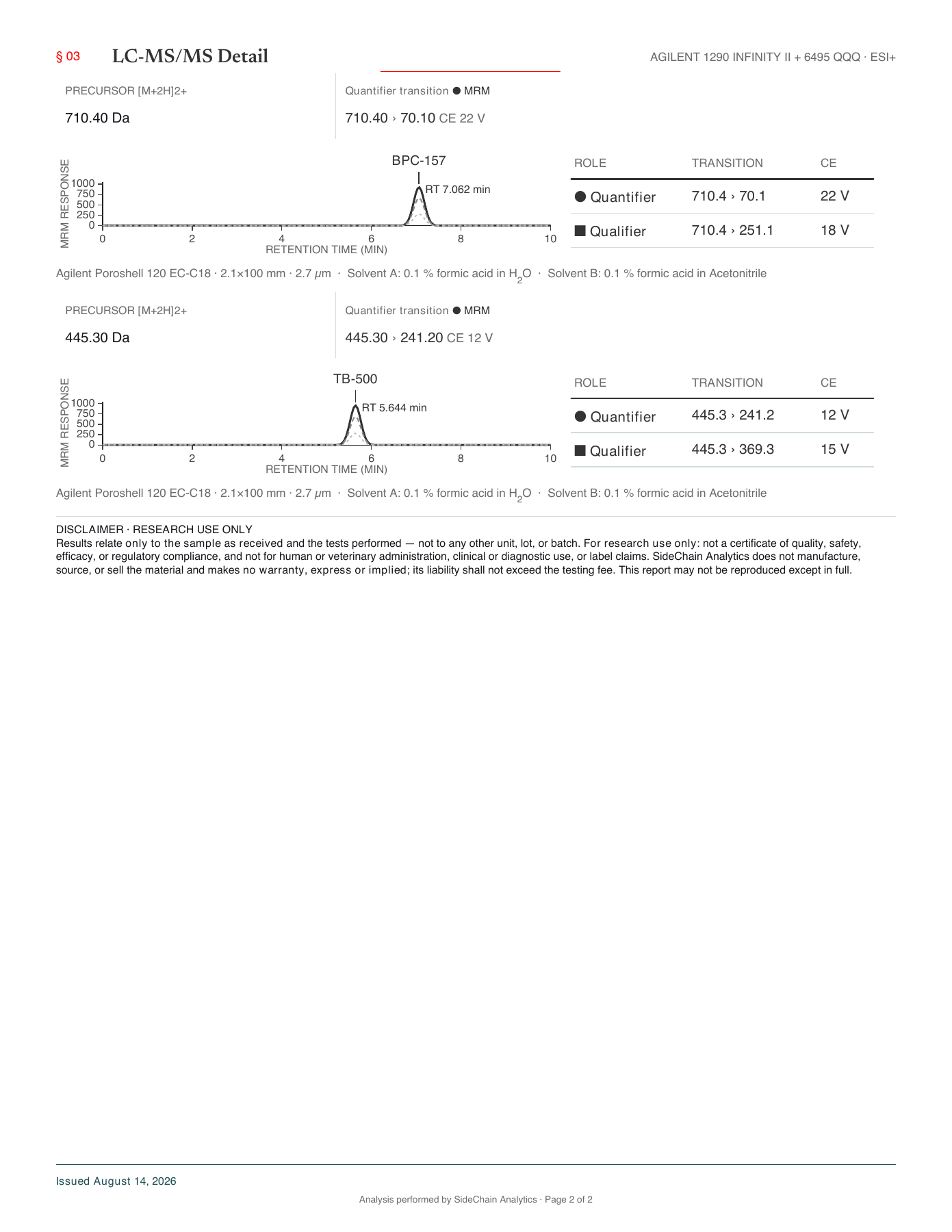
Every page of the actual certificate is displayed below. Select a page to enlarge it, including its original QR code.
How to verify this report with the lab
- Scan the original QR code on page 1 with a phone camera. On the same phone, open the laboratory verification page instead.
- Enter PTC-47VY5LAE and select Verify. Check for the certificate confirmation and portal issue date August 15, 2026.
- Open the lab-hosted PDF. Match sample BLD-102, report COA-2026-SC-00977, PDF date August 14, 2026, formulation and analytical results to the pages shown here. The portal sample label is BLD-102_Blend_CoA_20260814_054743.
Date distinction: the PDF is dated August 14, 2026; the verification portal lists August 15, 2026. These are displayed separately because the portal does not explain the difference.
We checked the laboratory record and confirmed that its downloadable PDF exactly matches the supplied file. Compare the lab-hosted PDF ↗. This is document verification, not independent retesting. The report does not establish sterility, endotoxin levels, storage stability, clinical effectiveness or safety for human use, and does not validate dosing guidance.
Quickstart Highlights
BPC-157 (Body Protection Compound-157) is a 15-amino-acid peptide fragment derived from human gastric juice, studied for its cytoprotective and tissue-repair properties across gastrointestinal, musculoskeletal, and neurological systems. TB-500 (Thymosin β4) is a 43-amino-acid peptide involved in cell migration, angiogenesis, and wound healing. Each blend vial contains BPC-157 10 mg + TB-500 10 mg, for 20 mg total. This blend combines both peptides for synergistic tissue-repair research applications.
- Reconstitute: Add 3.0 mL bacteriostatic water → ~6.67 mg/mL total concentration (~3.33 mg/mL of each peptide).
- Typical daily range: 250–500 mcg BPC-157 + 250–500 mcg TB-500 (500–1,000 mcg total blend) once daily.
- Easy measuring: At 6.67 mg/mL total, 1 unit = 0.01 mL ≈ 66.7 mcg total (~33.3 mcg of each peptide) on a U-100 insulin syringe.
- Storage: Lyophilized: freeze at −20 °C (−4 °F); after reconstitution, refrigerate at 2–8 °C (35.6–46.4 °F); use within 14 days.
Dosing & Reconstitution Guide
Standard / Gradual Approach (3 mL = ~6.67 mg/mL total)
Route: Subcutaneous injection | Frequency: Once daily
| Week | Daily Dose (total blend) | Per-Peptide Dose | Units (mL) | V1 nominal setting (units) |
|---|---|---|---|---|
| Weeks 1–2 | 500 mcg (0.5 mg) | ~250 mcg each | 7.5 units (0.075 mL) | Not representable in whole units |
| Weeks 3–4 | ≈666.7 mcg (≈0.667 mg) | ≈333.3 mcg each | 10 units (0.10 mL) | 10 units |
| Weeks 5–8 | 1,000 mcg (1.0 mg) | ~500 mcg each | 15 units (0.15 mL) | 15 units |
For ≤10-unit (≤0.10 mL) administrations during Weeks 1–4, consider using 30- or 50-unit insulin syringes for improved readability.
- Draw 3.0 mL bacteriostatic water with a sterile syringe.
- Inject slowly down the vial wall; avoid foaming or direct stream onto the powder.
- Gently swirl or roll until fully dissolved (do not shake).
- Label with reconstitution date and refrigerate at 2–8 °C (35.6–46.4 °F), protected from light.
Advanced / Loading Phase (Optional)
Some protocols use a higher TB-500 loading dose during the first 2–4 weeks based on clinical monograph recommendations. This schedule uses higher total blend volumes.
Route: Subcutaneous injection | Frequency: Once daily or split twice weekly for TB-500 loading
| Phase | Daily Dose (total blend) | Per-Peptide Dose | Units (mL) | V1 nominal setting (units) |
|---|---|---|---|---|
| Loading (Weeks 1–4) | 1,500 mcg (1.5 mg) | ~750 mcg each | 22.5 units (0.225 mL) | Not representable in whole units |
| Maintenance (Weeks 5–8) | 1,000 mcg (1.0 mg) | ~500 mcg each | 15 units (0.15 mL) | 15 units |
Note: Advanced protocols consume peptide supplies faster. Plan vial quantities accordingly.
Important: This guide is for educational purposes only and is not medical advice. For research use only. Not for human consumption.
Supplies Needed
Plan based on a 4–8 week daily protocol (standard approach at ~1 mg/day maintenance).
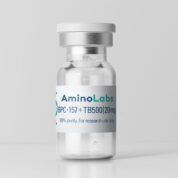
- Peptide Vials (BPC-157 + TB-500 20 mg Blend):
- 4 weeks (28 doses at ~0.67–1.0 mg/day): 2 vials
- 6 weeks (42 doses): 3 vials
- 8 weeks (56 doses): 3–4 vials
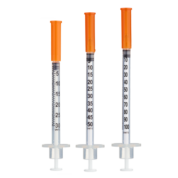
- Insulin Syringes (U-100):
- Per week: 7 syringes (1/day)
- 4 weeks: 28 syringes
- 6 weeks: 42 syringes
- 8 weeks: 56 syringes
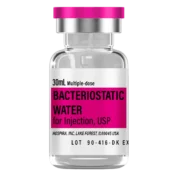
- Bacteriostatic Water (30 mL bottles): Use 3.0 mL per vial for reconstitution.
- 4 weeks (2 vials): 6 mL → 1 × 30 mL bottle
- 6 weeks (3 vials): 9 mL → 1 × 30 mL bottle
- 8 weeks (4 vials): 12 mL → 1 × 30 mL bottle
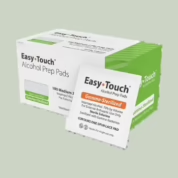
- Alcohol Swabs: One for the vial stopper + one for the injection site each day.
- Per week: 14 swabs (2/day)
- 4 weeks: 56 swabs → recommend 1 × 100-count box
- 6 weeks: 84 swabs → recommend 1 × 100-count box
- 8 weeks: 112 swabs → recommend 2 × 100-count boxes
Protocol Overview
Concise summary of the once-daily regimen.
- Goal: Support tissue repair, wound healing, and musculoskeletal recovery in research contexts.
- Schedule: Daily subcutaneous injections for 4–8 weeks; some protocols include 3-month-on / 6-week-off cycling.
- Dose Range: 500–1,500 mcg total blend daily (providing ~250–750 mcg of each peptide).
- Reconstitution: 3.0 mL per 20 mg vial (~6.67 mg/mL total) for accurate unit measurements.
- Storage: Lyophilized frozen; reconstituted refrigerated; use within 14 days.
Dosing Protocol
Suggested daily titration approach.
- Start: 500–666 mcg total blend daily (~250–333 mcg each peptide).
- Target: 1,000 mcg total blend daily (~500 mcg each) by Weeks 3–8.
- Frequency: Once per day (subcutaneous).
- Cycle Length: 4–8 weeks; optional cycling with 6-week breaks between courses.
- Timing: Any consistent time; some prefer morning administration; rotate injection sites.
Storage Instructions
Proper storage preserves peptide quality and stability.
- Lyophilized: Store at −20 °C (−4 °F) in dry, dark conditions; minimize moisture exposure.
- Reconstituted: Refrigerate at 2–8 °C (35.6–46.4 °F); use within 4–6 weeks; avoid freeze–thaw.
- Allow vials to reach room temperature before opening to reduce condensation uptake.
Important Notes
Practical considerations for consistency and safety.
- Use new sterile insulin syringes for each injection; dispose properly in a sharps container.
- Rotate injection sites (abdomen, thighs, upper arms) to reduce local irritation and maintain absorption.
- Inject near the site of injury when targeting localized tissue repair (within anatomical reason).
- Document daily dose and site rotation to maintain consistency.
- Both BPC-157 and TB-500 are prohibited in competitive sports by WADA.
How This Works
BPC-157 is a synthetic pentadecapeptide (15 amino acids) originally isolated from human gastric juice. Preclinical research indicates it exerts cytoprotective effects across multiple organ systems, promotes angiogenesis, modulates nitric oxide pathways, and interacts with growth-factor systems involved in tissue repair. TB-500 (Thymosin β4) is a naturally occurring peptide that regulates actin polymerization, promotes cell migration, reduces inflammation, and supports wound healing and tissue regeneration. The combination is hypothesized to provide complementary mechanisms for accelerated musculoskeletal and soft-tissue recovery.
Potential Benefits & Side Effects
Observations from preclinical and early clinical literature.
- Tissue Repair: Both peptides demonstrate wound-healing, tendon-repair, and anti-inflammatory properties in animal models.
- Gastrointestinal Support: BPC-157 shows gastroprotective and ulcer-healing effects in preclinical studies.
- Safety Profile: Preclinical data indicate a wide safety margin for BPC-157 (no lethal dose up to ~20 mg/kg); TB-500 human tolerability studies report mild adverse events at doses up to 1,260 mg.
- Possible Side Effects: Occasional mild injection-site reactions (redness, itching); rare reports of transient dizziness or nausea; long-term human safety data remain limited.
Lifestyle Factors
Complementary strategies for best outcomes.
- Prioritize adequate protein intake to support tissue synthesis and repair.
- Combine with appropriate rehabilitation protocols when addressing musculoskeletal injuries.
- Ensure quality sleep and stress management to optimize recovery and healing responses.
- Stay hydrated and maintain balanced micronutrient intake (vitamins C, D, zinc) to support connective-tissue health.
Injection Technique
General subcutaneous guidance from clinical best-practice resources.
- Clean the vial stopper and injection site with alcohol; allow to dry completely.
- Pinch a skinfold; insert the needle at 45–90° into subcutaneous tissue (use 23–25 gauge, 5/8″ needle).
- Aspiration is unnecessary for subcutaneous injections; inject slowly and steadily.
- Rotate sites systematically (abdomen, lateral thigh, upper arm, buttocks) to avoid lipohypertrophy.
- For localized injuries, inject subcutaneously near (not into) the affected area when anatomically appropriate.
Recommended Source
Product reference: BPC-157 10 mg + TB-500 10 mg — 20 mg total per blend vial.
Why Amino Labs?
- High-purity (≥99% HPLC), third-party-tested lots with batch COAs.
- Consistent, ISO-aligned handling and documentation.
- Reliable fulfillment to maintain cold-chain integrity.
Important Note
This content is intended for therapeutic educational purposes only and does not constitute medical advice, diagnosis, or treatment.