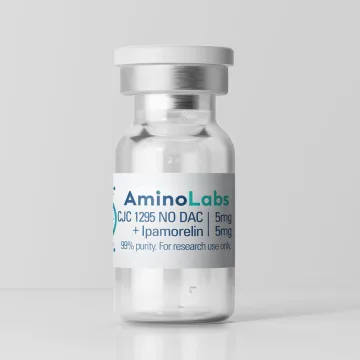
Quickstart Highlights
CJC-1295 without DAC (Modified GRF 1-29) is a short-acting GHRH analogue and ipamorelin is a selective ghrelin-receptor agonist; supplied together in a 1:1 blend vial, they are studied for pulsatile growth hormone release, sleep quality, training recovery and body composition. Because the vial holds equal amounts of each peptide, every dose on this page is stated as mcg of each. This educational protocol presents a once-nightly subcutaneous injection titrated from 100 mcg of each peptide to a 200 mcg working dose over an 8–12 week cycle, using a 2.0 mL reconstitution of the 10 mg vial so that each insulin-syringe unit delivers 25 mcg of each peptide.
- Reconstitute: Add 2 mL bacteriostatic water → 5 mg/mL total blend (2.5 mg/mL of each peptide).
- Dose range: 100–300 mcg of each peptide per injection once nightly, subcutaneously, 30 minutes before sleep on an empty stomach (8–12 week cycle, then 4 weeks off).
- Easy measuring: At 5 mg/mL, 1 unit = 0.01 mL = 50 mcg of blend (25 mcg of each peptide) on a U-100 insulin syringe.
- Storage: Lyophilized: freeze at −20 °C (−4 °F); after reconstitution, refrigerate at 2–8 °C (35.6–46.4 °F) and use within 28 days.
- Label: This is the no-DAC form. Do not apply CJC-1295 DAC figures (1–2 mg once or twice weekly) to this vial; the two are dosed on entirely different scales.
Dosing & Reconstitution Guide
Standard Protocol (dose shown as mcg of each peptide) (2 mL = 5 mg/mL)
| Week | Dose | Calculated volume | U-100 scale value (1 mL capacity) | V1 nominal setting (units) |
|---|---|---|---|---|
| Weeks 1–2 | 100 mcg of each (0.2 mg total) | 0.04 mL | 4 units | 4 units |
| Week 3 onward | 200 mcg of each (0.4 mg total) | 0.08 mL | 8 units | 8 units |
| Upper reference | 300 mcg of each (0.6 mg total) | 0.12 mL | 12 units | 12 units |
Calculation basis: The table uses the labelled 5 mg + 5 mg amount and assumes a final solution volume of 2 mL (5 mg/mL total; 2.5 mg/mL of each peptide). BAC volume does not change the amount of peptide. These are nominal calculations, not validation of preparation, compatibility or treatment.
Frequency: Once nightly, 30 minutes before sleep on an empty stomach (2–3 hours after the last meal). Performance protocols add a second fasted dose in the morning or within 30 minutes after training.
Cycle: 8–12 weeks on, then 4 weeks off.
Reconstitution Steps
- Allow the vial to reach room temperature before opening to minimize condensation.
- Draw 2 mL bacteriostatic water with a sterile syringe.
- Inject slowly down the vial wall to minimize foaming; avoid shaking.
- Gently swirl or roll the vial until the powder is fully dissolved.
- Label the vial with the reconstitution date and refrigerate at 2–8 °C (35.6–46.4 °F), protected from light.
- Use reconstituted solution within 28 days for maximum potency and safety.
Important: This guide is for educational purposes only and is not medical advice. For research use only. Not for human consumption.
Supplies Needed
Plan based on an 8–12 week once-nightly protocol at the 200 mcg-of-each working dose.
- Peptide Vials (CJC-1295 NO DAC + Ipamorelin, 5 mg + 5 mg each):
- 8 weeks ≈ 3 vials (22.4 mg total used)
- 12 weeks ≈ 4 vials (33.6 mg total used)
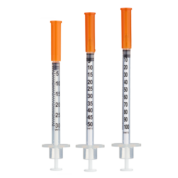
- Insulin Syringes (U-100):
- Per week: 7 syringes
- 8 weeks: 56 syringes
- 12 weeks: 84 syringes
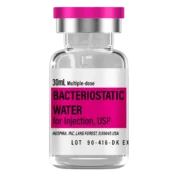
- Bacteriostatic Water (30 mL bottles): Use 2 mL per vial for reconstitution.
- 8 weeks (3 vials): 6 mL → 1 × 30 mL bottle
- 12 weeks (4 vials): 8 mL → 1 × 30 mL bottle
Note: Use bacteriostatic water within 28 days after opening; a vial reconstituted more than 28 days after the bottle was first opened needs a new bottle.
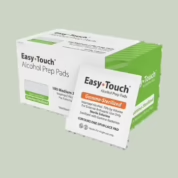
- Alcohol Swabs: One for the vial stopper + one for the injection site each injection.
- 8 weeks: 112 swabs → recommend 2 × 100-count boxes
- 12 weeks: 168 swabs → recommend 2 × 100-count boxes
Protocol Overview
Concise summary of the once-nightly GH-pulse regimen.
- Goal: Produce a larger but still pulsatile growth hormone release before sleep by pairing a GHRH analogue with a ghrelin-receptor agonist, supporting sleep depth, recovery and body composition.
- Schedule: Nightly subcutaneous injections, 30 minutes before sleep on an empty stomach, for 8–12 weeks followed by a 4-week break.
- Dose Range: 100 mcg of each peptide (200 mcg combined, 0.2 mg) to 300 mcg of each (600 mcg combined, 0.6 mg) per nightly injection, with 200 mcg of each (400 mcg combined, 0.4 mg) as the standard working dose from week 3.
- Reconstitution: 2 mL per 5 mg + 5 mg vial (5 mg/mL) for accurate unit measurements on standard insulin syringes.
- Storage: Lyophilized frozen at −20 °C (−4 °F); reconstituted refrigerated at 2–8 °C (35.6–46.4 °F); use within 28 days; avoid repeated freeze–thaw cycles.
- Evidence: Community convention with no human RCT of the no-DAC blend; human pharmacokinetic data exist only for CJC-1295 DAC (2006) and for ipamorelin alone, and the GHRH + GHRP synergy comes from older physiology studies. The 100–300 mcg range and bedtime-fasted timing are consistent across six sources, so confidence in the convention is medium, but it remains convention rather than trial evidence.
Dosing Protocol
Suggested nightly approach based on research-community conventions and the physiology of GHRH and ghrelin-receptor agonists.
- Weeks 1–2: 100 mcg of each peptide (200 mcg combined, 0.2 mg) once nightly to establish tolerance; 4 units at the 5 mg/mL reconstitution.
- Week 3 onward: 200 mcg of each peptide (400 mcg combined, 0.4 mg) once nightly as the standard working dose; 8 units.
- Upper reference: 300 mcg of each peptide (600 mcg combined, 0.6 mg) per injection; 12 units. This is the top of the community range, not a target, and some sources reach it only after week 9.
- Frequency: Once nightly, subcutaneously, with both peptides drawn from the single blend vial. Performance protocols described by sources add a second fasted dose in the morning or within 30 minutes after training; the baseline on this page is one nightly injection.
- Timing: About 30 minutes before sleep on an empty stomach, 2–3 hours after the last meal, with no food for 20–30 minutes afterward. Carbohydrates or fat near the injection blunt the GH pulse.
- Cycle: 8–12 weeks on, then 4 weeks off. Sources describe 12–16 week cycles for anti-aging goals and up to 6 months in clinic settings with IGF-1 monitoring.
- Titration: Hold 100 mcg of each for the first two weeks before moving to 200 mcg of each; the 300 mcg upper reference is reserved for later weeks if tolerance is established.
- Maintenance: 200 mcg of each nightly. At the 2.0 mL reconstitution a 10 mg vial provides 25 nightly doses at this amount, which fits inside the 28-day use window.
Storage Instructions
Proper storage preserves product quality and efficacy.
- Lyophilized (powder): Store at −20 °C (−4 °F) in a dry, dark place. For short-term storage, 2–8 °C (35.6–46.4 °F) refrigeration is acceptable; keep away from humidity.
- Reconstituted (solution): Refrigerate at 2–8 °C (35.6–46.4 °F), shielded from light, and do not freeze. Use within 28 days; one source applies a shorter 14-day limit, so treat 28 days as the outer limit, not a target.
- Allow vials to reach room temperature before opening to minimize condensation uptake.
- Both peptides are short-acting and sensitive to repeated freeze–thaw cycles; keep the reconstituted vial in a stable refrigerator position rather than the door.
Important Notes
Practical considerations for consistency and safety.
- Use new sterile insulin syringes for each injection; dispose in a proper sharps container.
- Rotate injection sites systematically (abdomen, thighs, upper arms) to reduce local irritation and avoid lipohypertrophy.
- Every dose is mcg of each peptide: at 2.0 mL, 1 unit delivers 25 mcg of CJC-1295 no DAC plus 25 mcg of ipamorelin. Some online calculators express the dose as total blend mass instead, which halves the apparent per-peptide amount; check which convention a reference uses before comparing figures.
- Fasting is emphasized by every source. Inject on an empty stomach 2–3 hours after the last meal and avoid food for 20–30 minutes afterward, since carbohydrates and fat suppress the GH pulse.
- Not approved by Health Canada or the FDA; research use only. The FDA placed both CJC-1295 and ipamorelin on the 503A Category 2 list in 2023–2024, so neither is available through US compounding pharmacies.
- Evidence caveat: no published human RCT has evaluated the CJC-1295 no DAC + ipamorelin combination. The nightly 100–300 mcg convention is community-derived, and sources disagree on the ratio between the two peptides (some use less CJC than ipamorelin); the 1:1 vial fixes the ratio at equal amounts.
- Sources describe a monitoring convention of IGF-1 and fasting glucose at baseline and again at 6–8 weeks. Contraindications cited include active or prior cancer, pituitary disease, diabetic retinopathy, severe kidney disease and pregnancy.
- Persistent joint pain, carpal-tunnel-like tingling or a rise in fasting glucose are described as signals to reduce the dose rather than continue escalating.
How This Works
CJC-1295 without DAC (Modified GRF 1-29) is a tetra-substituted analogue of the first 29 amino acids of growth-hormone-releasing hormone. It binds pituitary GHRH receptors and triggers a growth hormone pulse, with a half-life of roughly 30 minutes to 2 hours; it lacks the Drug Affinity Complex that gives CJC-1295 DAC its multi-day action. Ipamorelin is a pentapeptide agonist of the ghrelin receptor (GHSR1a) with a half-life of about 2 hours. It amplifies the same pulse through a separate receptor and suppresses somatostatin, the hormone that normally brakes GH release, while producing no significant rise in cortisol, ACTH or prolactin. Dosed together before sleep, when endogenous GH secretion is already highest, the pair produces a larger but still pulsatile GH release that raises IGF-1 while leaving normal feedback intact. Older physiology studies showed that combining a GHRH analogue with a GHRP releases two to three times more GH than either agent alone; no human trial has tested this specific blend.
Potential Benefits & Side Effects
Observations from physiology studies of the individual peptides and research-community reporting on the blend.
Potential Benefits:
- Synergistic GH pulse: a GHRH analogue plus a ghrelin-receptor agonist released two to three times more growth hormone than either alone in older human physiology studies.
- Improved sleep depth, reported by sources within 3–14 days of nightly use (community reporting, no controlled trial).
- Faster training recovery and reduced soreness, described in community protocols by weeks 3–4.
- Body-composition shifts (fat loss, lean mass) reported by weeks 4–8 in community timelines.
- IGF-1 increases measurable within 1–2 weeks, which is the basis of the monitoring convention.
- Ipamorelin is selective: small human studies showed GH release without significant cortisol, ACTH or prolactin elevation.
Potential Side Effects:
- Facial flushing, mild water retention and post-injection hunger are the most commonly reported effects.
- Tingling or numbness in the hands (carpal-tunnel-like) and headache; sources describe these as dose-related and a reason to reduce the dose.
- Elevated fasting glucose and persistent joint pain, both linked to sustained GH/IGF-1 elevation.
- Injection-site redness or irritation, generally mild and transient.
- Rare immunogenicity reactions are mentioned by sources; no human safety trial of the blend exists.
- Contraindications cited by sources: active or prior cancer, pituitary disease, diabetic retinopathy, severe kidney disease and pregnancy.
Lifestyle Factors
Complementary strategies that support a nightly GH-pulse protocol.
- Keep the nightly injection fasted: finish the last meal 2–3 hours beforehand and avoid carbohydrates or fat around the injection, since food blunts the GH pulse.
- Prioritize 7–9 hours of sleep with a consistent bedtime; the protocol is timed to the natural nocturnal GH surge, and poor sleep works against it.
- Combine with resistance training 2–4 days per week and adequate protein intake (1.2–1.6 g/kg body weight) so that IGF-1 elevation supports lean tissue.
- Limit alcohol, particularly in the evening, as it suppresses nocturnal GH release and sleep quality.
- Track resting fasting glucose and any joint or hand symptoms in a simple log so that dose decisions are made on recorded trends rather than impressions.
- Manage stress with regular relaxation or mindfulness practice; elevated evening cortisol opposes the GH response the protocol is designed to produce.
Injection Technique
General subcutaneous injection guidance from clinical best-practice resources.
- Clean the vial stopper and chosen skin site with separate alcohol swabs; allow both to dry completely before proceeding.
- Pinch a fold of skin between your fingers; insert the needle at a 45–90° angle into the subcutaneous tissue (fatty layer, not muscle).
- Do not aspirate (pull back the plunger) when giving a subcutaneous injection.
- Inject the solution slowly and steadily; wait at least 6 seconds after injection before withdrawing the needle to ensure complete delivery and minimize leakage.
- Withdraw the needle and apply light pressure with a clean swab; avoid rubbing vigorously.
- Rotate injection sites systematically (abdomen, thighs, upper arms) to prevent lipohypertrophy and maintain consistent absorption.
- Dispose of used syringes and needles immediately in a proper sharps container.
Recommended Source
We recommend Amino Labs for high-purity CJC-1295 NO DAC + Ipamorelin (5 mg + 5 mg vials).
Why Amino Labs?
- Third-party tested: Each batch includes Certificate of Analysis (COA) verifying purity and composition.
- Consistent quality: ISO-aligned manufacturing and handling standards ensure reliable product integrity.
- Cold-chain integrity: Temperature-controlled shipping and storage throughout fulfillment process.
- Research-grade purity: Suitable for educational and research applications requiring high-quality peptides.
Note: Product availability and specifications subject to change. Verify current product details on supplier website.
Important Note
This content is intended for therapeutic educational purposes only and does not constitute medical advice, diagnosis, or treatment.