Quickstart Highlights
Kisspeptin (also known as metastin) is a naturally occurring neuroendocrine peptide that plays a pivotal role in human reproduction by stimulating gonadotropin-releasing hormone (GnRH) secretion. This small peptide binds to the GPR54 receptor in the hypothalamus, triggering pulsatile GnRH release and downstream secretion of luteinizing hormone (LH) and follicle-stimulating hormone (FSH). Originally identified as a metastasis-suppressor gene product, kisspeptin has become a major focus in reproductive endocrinology. This educational protocol presents a three-times-weekly subcutaneous approach for research use.
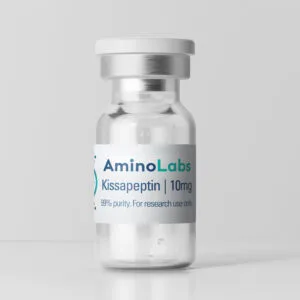
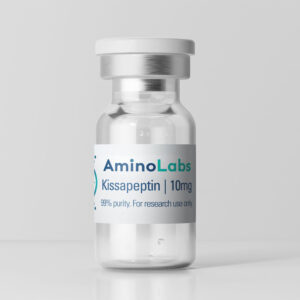
- Reconstitute: Add 3.0 mL BAC water per labelled 10 mg vial; calculations assume a final volume of 3.0 mL and nominal concentration of 3.33 mg/mL.
- Typical range: 100–200 mcg per injection, three times weekly on non-consecutive days (for example Mon/Wed/Fri).
- Scale conversion: At 3.33 mg/mL, 1 U-100 unit = 0.01 mL ≈ 33.3 mcg; 100 mcg = 3 units, 200 mcg = 6 units. Confirm actual device markings; this arithmetic does not establish measurement accuracy.
- Storage: Lyophilized: freeze at −20 °C (−4 °F); after reconstitution, refrigerate at 2–8 °C (35.6–46.4 °F); avoid freeze–thaw cycles.
Dosing & Reconstitution Guide
Standard / Gradual Approach (3 mL = 3.33 mg/mL)
| Week | Dose per injection (mcg) | Calculated volume | U-100 scale value (1 mL capacity) | V1 nominal setting (units) |
|---|---|---|---|---|
| Weeks 1–2 (3x/week) | 100 mcg | 0.03 mL | 3 units | 3 units |
| Weeks 3–6 (3x/week) | 200 mcg | 0.06 mL | 6 units | 6 units |
Calculation basis: The table uses the labelled 10 mg amount and assumes a final solution volume of 3.0 mL (3.33 mg/mL). BAC volume does not change the amount of peptide. These are nominal calculations, not validation of preparation, compatibility or treatment.
Frequency: Inject three times weekly subcutaneously on non-consecutive days. Pulsatile, intermittent exposure is the point of kisspeptin dosing; daily continuous exposure can blunt the GnRH response it is meant to stimulate. Hold 100 mcg for the first 1–2 weeks to assess sensitivity before stepping to 200 mcg. For ≤10-unit (≤0.10 mL) administrations, consider 30- or 50-unit insulin syringes for improved readability.
Reconstitution Steps
- Draw 3.0 mL bacteriostatic water with a sterile syringe.
- Inject slowly down the vial wall; avoid foaming.
- Gently swirl/roll until dissolved (do not shake).
- Label and refrigerate at 2–8 °C (35.6–46.4 °F), protected from light.
Important: This guide is for educational purposes only and is not medical advice. For research use only. Not for human consumption.
Supplies Needed
Plan based on a 4–6 week cycle of three injections per week, followed by 4 weeks off.
- Peptide Vials (Kisspeptin, 10 mg each): A 6-week cycle uses about 3 mg by mass, but reconstituted solution is used within 28 days.
- 4-week cycle: 1 vial
- 6-week cycle: 2 vials (reconstitute the second at Week 5)
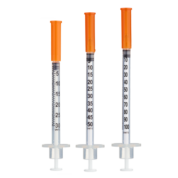
- Insulin Syringes (U-100):
- Per week: 3 syringes
- 4 weeks: 12 syringes
- 6 weeks: 18 syringes
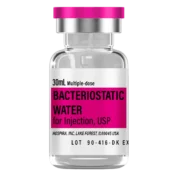
- Bacteriostatic Water (30 mL bottles): Use 3.0 mL per vial. One 30 mL bottle covers a cycle; discard 28 days after opening.
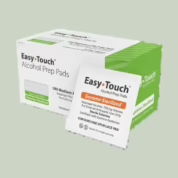
- Alcohol Swabs: One for the vial stopper + one for the injection site each injection.
- Per week: 6 swabs
- 4 weeks: 24 swabs
- 6 weeks: 36 swabs → 1 × 100-count box
Protocol Overview
Concise summary of the three-times-weekly regimen.
- Goal: Support physiological reproductive hormone signaling through upstream GnRH stimulation.
- Schedule: Subcutaneous injections three times weekly for 4–6 weeks, then 4 weeks off.
- Dose Range: 100–200 mcg per injection, three times weekly.
- Reconstitution: 3.0 mL BAC per labelled 10 mg vial; nominal 3.33 mg/mL under the stated final-volume assumption.
- Storage: Lyophilized frozen; reconstituted refrigerated; avoid repeated freeze–thaw.
Dosing Protocol
Suggested three-times-weekly approach.
- Start: 100 mcg three times weekly for 1–2 weeks to assess sensitivity.
- Titrate: Increase to 200 mcg three times weekly if tolerated and necessary.
- Frequency: Three times per week (subcutaneous), on non-consecutive days.
- Cycle Length: 4–6 weeks on, then 4 weeks off. Do not run continuously; prolonged continuous exposure risks tachyphylaxis.
- Timing: Any consistent time; rotate injection sites.
Storage Instructions
Proper storage preserves peptide quality.
- Lyophilized: Store at −20 °C (−4 °F) in dry, dark conditions with desiccant if possible.
- Reconstituted: Refrigerate at 2–8 °C (35.6–46.4 °F); stable up to ~4 weeks; avoid freeze–thaw.
- Allow vials to reach room temperature before opening to reduce condensation uptake.
Important Notes
Practical considerations for consistency and safety.
- Use new sterile insulin syringes; dispose in a sharps container.
- Rotate injection sites (abdomen, thighs, upper arms) to reduce local irritation.
- Inject slowly; wait a few seconds before withdrawing the needle.
- Document daily dose and site rotation to maintain consistency.
- Discard bacteriostatic water after 28 days once opened.
How This Works
Kisspeptin is an upstream trigger for the reproductive hormone cascade. Upon subcutaneous injection, kisspeptin rapidly binds to kisspeptin receptors (GPR54) on GnRH neurons in the hypothalamus, causing immediate release of GnRH. This in turn stimulates the anterior pituitary to secrete LH and FSH, which act on the gonads to boost sex steroid production and support gametogenesis. Importantly, kisspeptin’s action is GnRH-dependent—if GnRH release is blocked, kisspeptin cannot induce LH/FSH secretion. This confirms that kisspeptin works by unlocking the body’s own GnRH stores, providing a more physiologic pattern of hormone release compared to direct GnRH or hCG administration.
Potential Benefits & Side Effects
Research on kisspeptin has revealed multiple potential benefits for reproductive health.
- Physiological Sex Hormone Stimulation: Increases endogenous testosterone and estrogen levels by amplifying the body’s own LH/FSH signals without suppressing the HPG axis.
- Fertility Restoration: Shows promise in functional hypothalamic amenorrhea by rekindling GnRH/LH pulsatility and resuming menstrual cycles.
- IVF Ovulation Trigger: Can induce robust LH surge to mature oocytes while potentially lowering the risk of ovarian hyperstimulation syndrome compared to traditional hCG triggers.
- Safety Profile: Generally well tolerated; occasional mild injection-site reactions (redness/itch) may occur with subcutaneous administration.
Lifestyle Factors
Complementary strategies for optimal outcomes.
- Maintain adequate nutrition and healthy body weight to support endogenous hormone production.
- Prioritize sleep and stress management, as these factors significantly impact the HPG axis.
- Monitor for changes in reproductive function or hormone-related symptoms.
- Consider combining with appropriate lifestyle interventions for conditions of hypothalamic suppression.
Injection Technique
General subcutaneous guidance from clinical best‑practice resources.
- Clean the vial stopper and skin with alcohol; allow to dry completely.
- Pinch a skinfold; insert the needle at 45–90° into subcutaneous tissue (45° for thin individuals, 90° with adequate fat).
- Do not aspirate for subcutaneous injections; inject slowly and steadily.
- Rotate sites systematically (abdomen at least 2 inches from navel, outer thighs, upper arms, upper buttocks) to avoid tissue irritation.
- Use a new sterile syringe for each injection; dispose of used syringes in a proper sharps container.
Recommended Source
Why Amino Labs?
- Third-party tested: Each batch includes Certificate of Analysis (COA) verifying purity and composition.
- Consistent quality: ISO-aligned manufacturing and handling standards ensure reliable product integrity.
- Cold-chain integrity: Temperature-controlled shipping and storage throughout fulfillment process.
- Research-grade purity: Suitable for educational and research applications requiring high-quality peptides.
Note: Product availability and specifications subject to change. Verify current product details on supplier website.
Shop at Amino Labs
Important Note
This content is intended for therapeutic educational purposes only and does not constitute medical advice, diagnosis, or treatment.